Mental Health of Footballers. Very little is known. This needs to change
As a football fan and psychiatrist I have more than a passing interest in the Aaron Lennon story this week. Sadly newspapers like Sun and Daily Mail dramatised things appallingly .
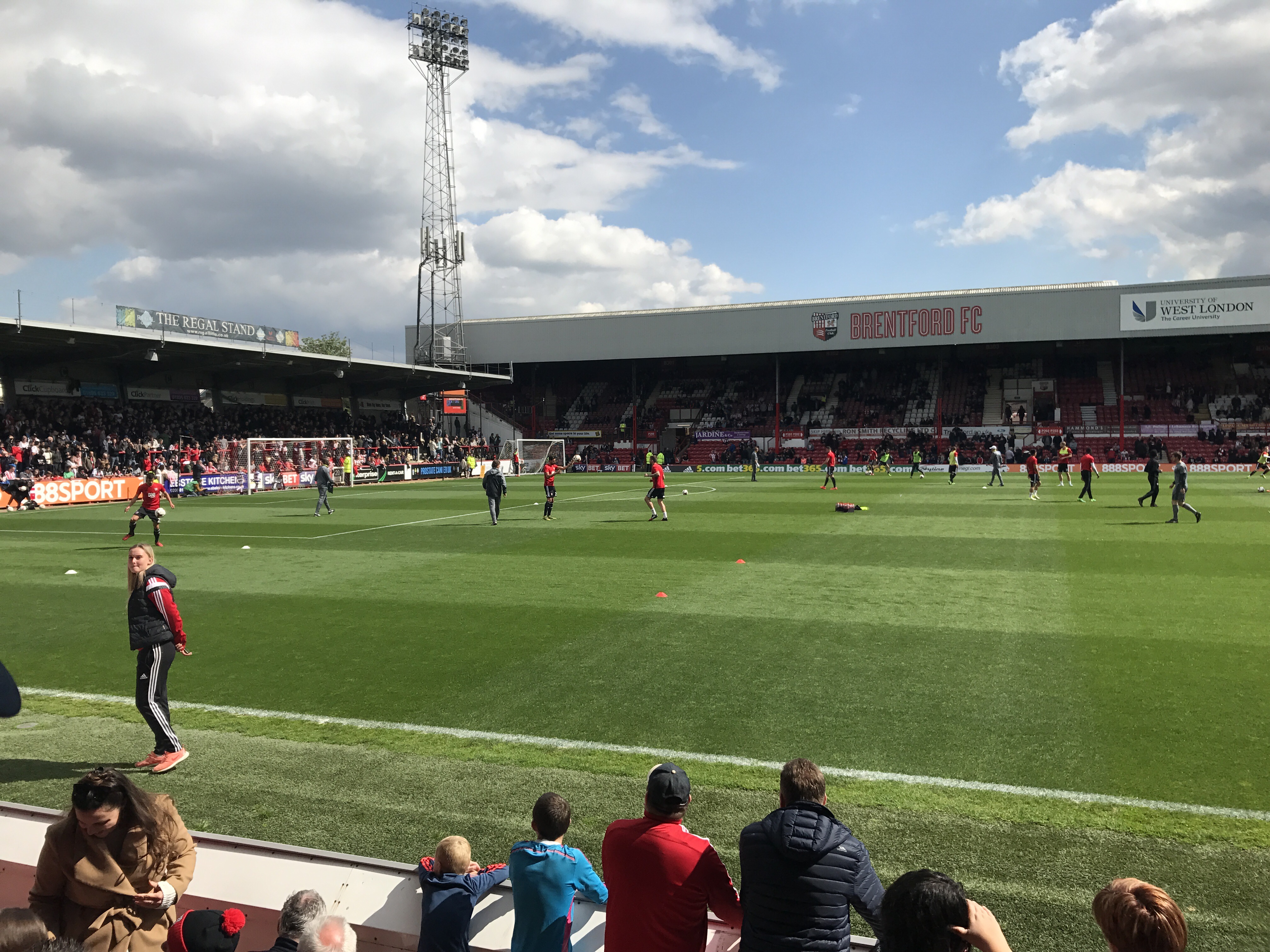 The reality in this story is clear . The police have powers under Section 136 of The Mental Health act to take anyone whom they deem in need of psychiatric assessment to a designated place of safety for that assessment . The legal holding lasts for 48 hours during which time it is expected the assesssment is complete. At that point other sections can be applied for with 28 days being common under Section 2 and 6 months for Section 3. Many caveats apply . In general terms Section 2 is likely to be applied if necessary where the patient is unknown previously. At this stage nothing has been reported suggesting that Section 2 has been applied.
 Any football fan will recognise certain personality types on the field with players being often impulsive and prone to anger. I have a personal theory that adult ADHD will be far more prevalent in footballers than the general population . ADHD is also strongly linked to alcohol abuse and depression. In addition one suspects that borderline personality disorder would be more common. The Telegraph reports today that Stan Collymore received that diagnosis.
Despite the plethora of stories of depression in sportsmen and suicides, there is no precise knowledge of how common mental health disorders are in footballers. No research to my knowledge has systematically evaluated this. All speculation is thus unproven.
Screening for these disorders is possible through fairly simple screening tools and should detect those who need further evaluation. For example a simple questionnaire for adult ADHD if it comes out negatively means that those people are around 98% likely not to have ADHD.
Football clubs do have a duty for mental health care. They are best placed to flag up needs for assessment . What also needs to be understood is that life stresses often tip people over into illness. Not always but often. There are forms of depression that are not obviously linked to a precipitating cause but many forms are.
Players also would benefit from such assessments. For example impulsivity traits and emotional volatility can be recognised and to some extent the effects ameliorated. Whatever happened in Aaron Lennon’s life to make whatever happened happen, it is unlikely that there was no previous warning. Someone in the club is likely to have seen or heard something that may have been important.
Mental illness is common and there should be no stigma about accepting help nor diagnosis. The onus lies within the clubs to do this . Players will also benefit


 So where should the scepticism come in? Firstly any sudden TUE prior to a competition needs a full investigation and critical analysis. Secondly any TUE where there is an unexpected and changed medication need, especially if intermittent, needs again careful analysis. If sportsmen are using TUEs as legal loopholes then it is the duty of doctors to stop this happening, and thats far easier than many imagine.





 There were few smiling faces. Many engaged with their headphones, music and phones and not so much conversation going on even in the cafes.
 There were indeed many historical looking buildings, some grand and some not. But none enticed anyone inside.
 Even the high steps did not seem dangerous or challenging when walking down them. There were in fact few people around. Maybe at different times in the year the feel of this city will be different but in April this city seemed comatose. The only time it came to life for me was when sitting in a hotel bar and in the next room a private function was taking place , maybe a record launch, with a singer and her singing was amazing. Amazing enough to download Shazam and discover who she was. A rasping voice that oozed feeling. The singer is called Katea. The song was California Baby.

 The shop was run by a highly efficient girl who gave the image of being an academic student ( like a Latin or Greek scholar maybe) who not only ran the shop, sold the chocolates , took and ordered the food, but also made whatever had to be made. Clearly not a British employee.





 There was little evidence of the wonderful and artistic graffiti that adorns many European cities. In the central part of the city rather curiously the only sign of graffiti was on the door leading to the National Library of Finland. In short the best adjective to sum up 24 hours in Helsinki is Neutral.


 As in all cities there were a few characters to be seen, together with some interesting takes on hair styling. The exceptionally tall man in the bowler hat I oddly passed twice in very different parts of the city. People observing us might conclude that we were both spies meeting for our assignments. Considering spies there was no evidence of a queue at the Russian tourist board office.



 There are of course well recognised sportsmen who have been successful in their careers and also diagnosed with ADHD, but a key facet is that often this diagnosis has come either after their career or later on in it. A good example is Cammi Granato. An Olympian athlete and history maker, Cammi Granato has ADHD. As a member of the U.S. women’s hockey team that won gold in the 1998 Olympics, she scored more goals than any other U.S. women’s hockey player. But she told Psychology Today in 2011 that her personal life felt out of control until she was officially diagnosed with ADHD in 2003 and started learning how to take control. This is a single case history or vignette but is unlikely to be unique. The key issue for sportsmen is how to learn how to take control and more importantly prevent issues emerging, such as red cards and maybe as a defender inattentive issues.













 chris1957
 Arcticterntalk.org