Arcticterntalk.org
The blog of a travelling psychiatrist and football lover. Who happens to be a halfway decent photographer. Takes a cynical view of the world
Archive for the month “September, 2016”


Football Statistics Can Sometimes Mislead. Brentford 5 Preston 0 is an example
Each day the papers are full of statistics and some sometimes partially make sense. But if one were to view the statistics from the Brentford 5 Preston 0 game yesterday how many fans would seriously have guessed that score?
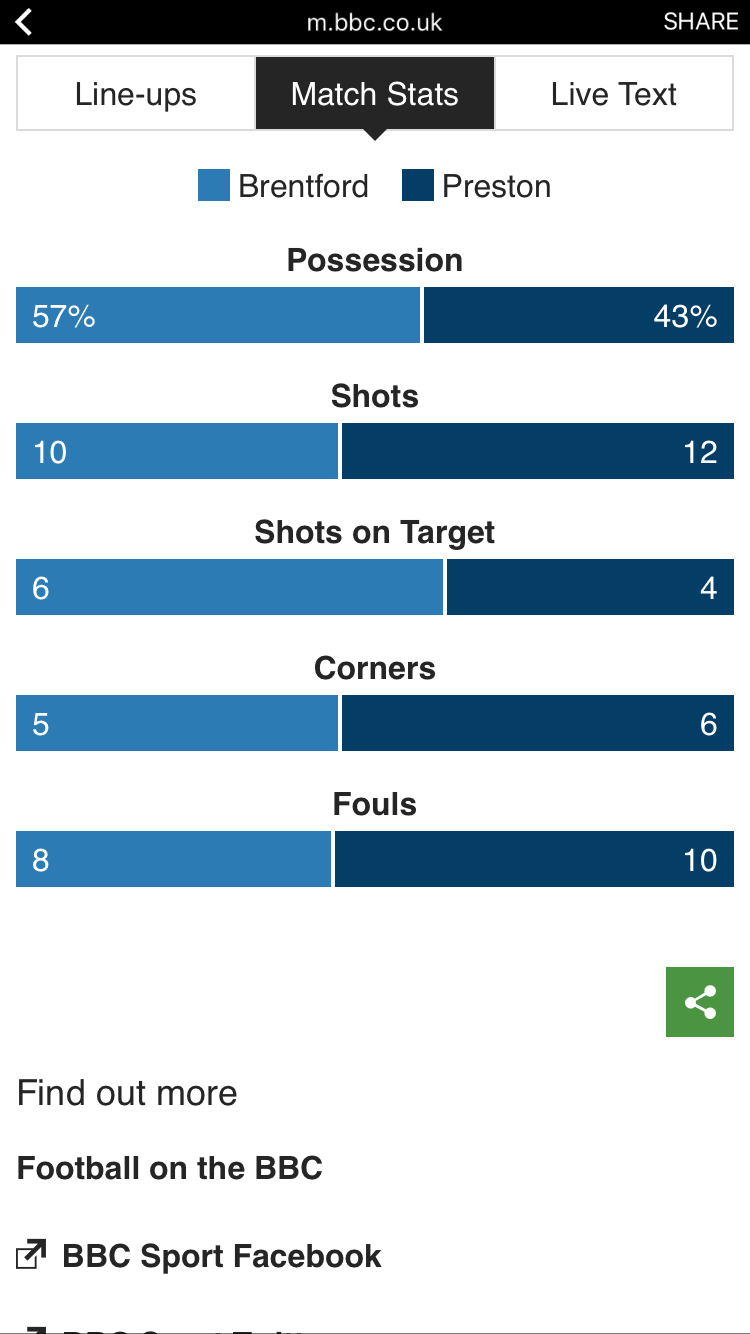 Statistics can never be a substitute for watching a game. The quality of a single save such as Daniel Bentley made when it was 1-0 to Brentford cannot be captured in pure numbers. The statistics fail to measure the two very different halves to the game nor the four very different quarters of the game.
At Brentford we have mulled over the stats issue now for a few years and mostly we can now agree that football reality is more accurate than football by numbers.
Even a metric like the number of shots in a game can mislead as shots in the critical part of the game are not weighted more than those in the dying minutes. The same old debate of quality and quantity.
Brentford 5 Preston 0 . How far can this side go? Even the stewards are relaxed
As games go this was not a 5-0’drubbing. The first half was fairly low tempo and fairly even. Preston managed to miss the chances they had whilst Hogan scored his chance clinically . 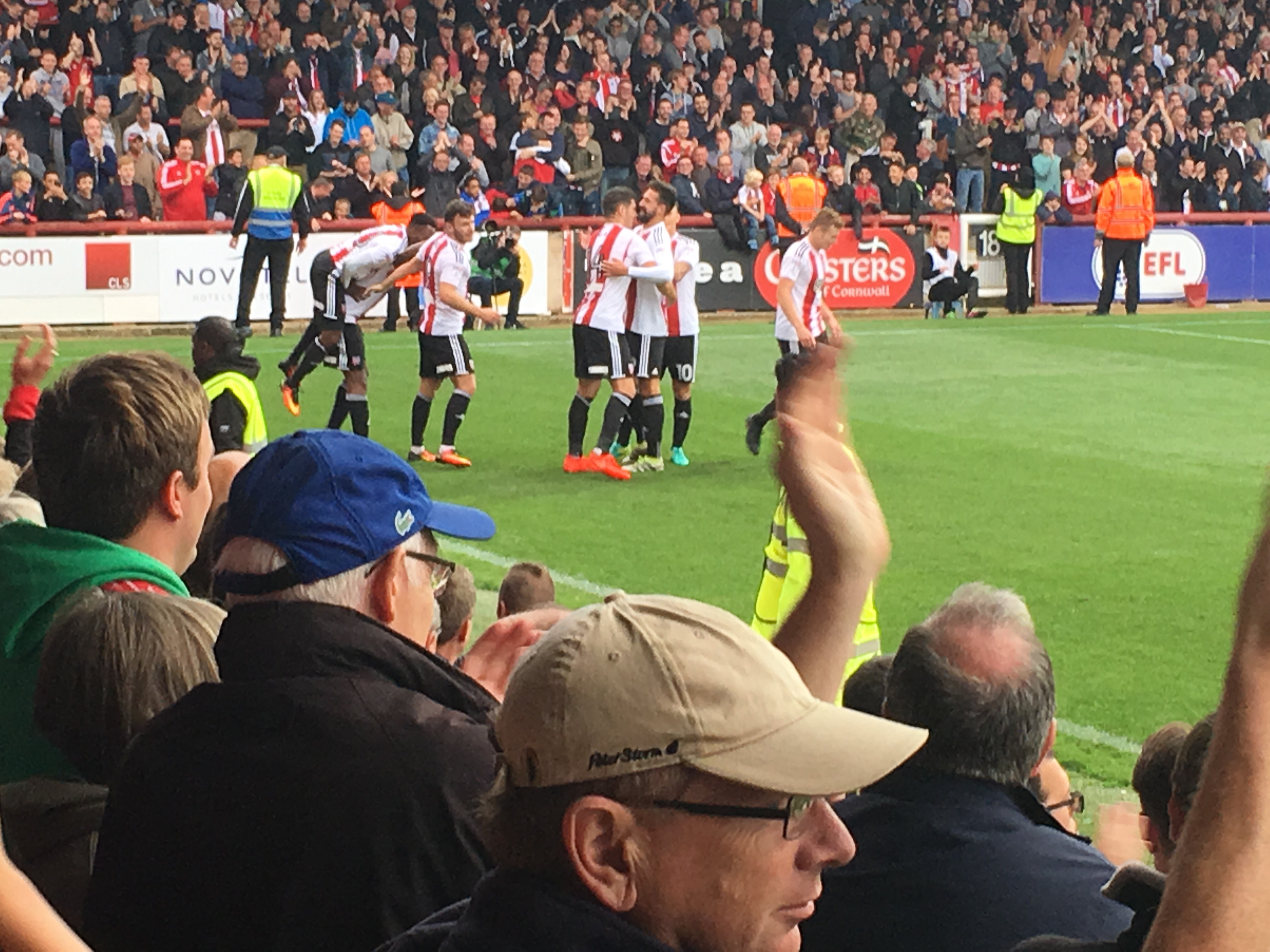
The second half was a different affair and Preston were well on top and creating chances for the first 15 minutes. When Harlee Dean scored our second Preston capitulated and 5-0 fairly reflected the last 25 minutes play. Even the stewards took things easy . 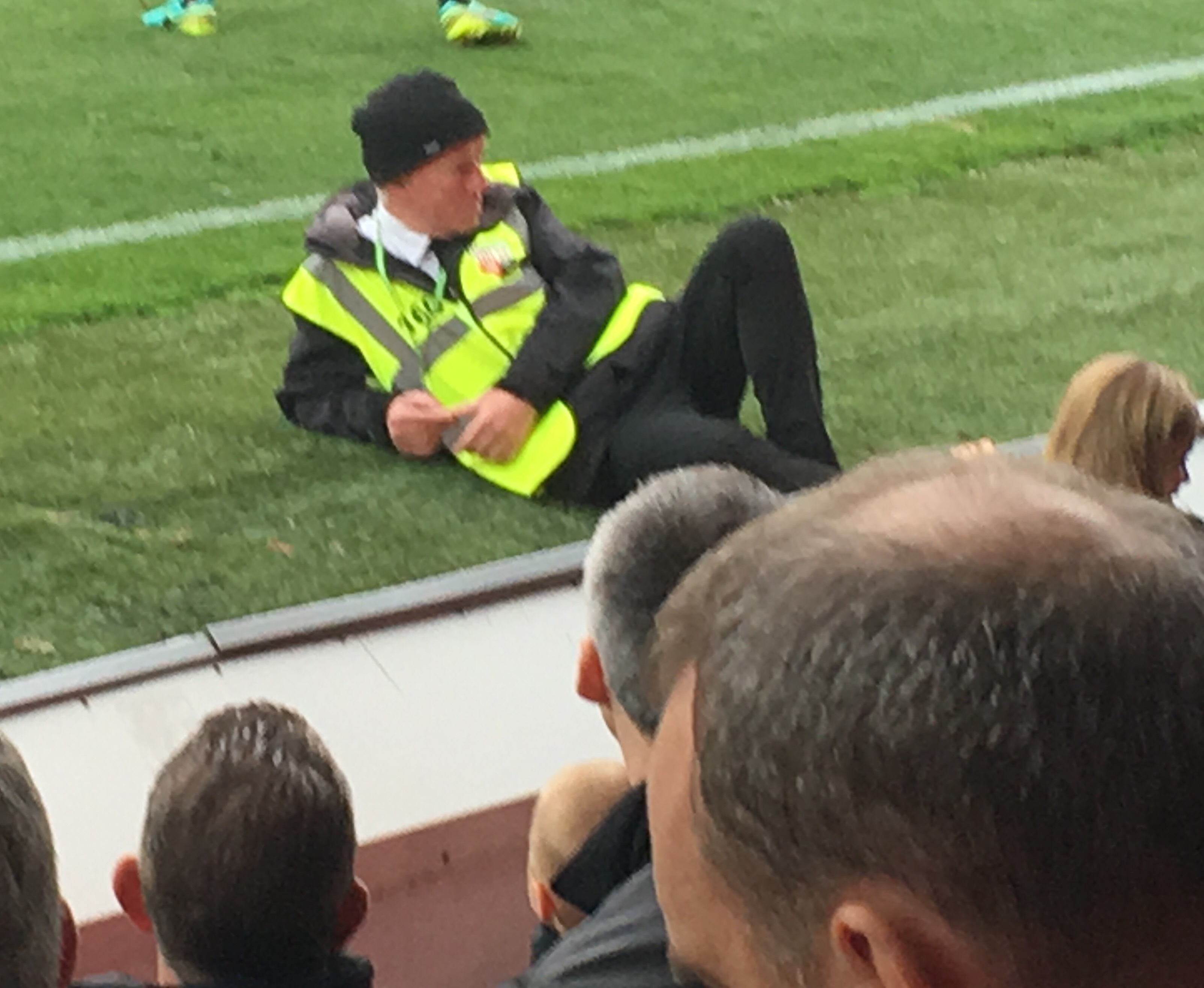

Hogan scored a decent hat trick with clinical finishing. The defence was solid. Colin played maybe his best game for Bees. Any concerns? None at all other than Bjelland hobbling off 10 minutes after a heavy challenge though Barbet slotted into left back perfectly.
All the substitutions today played a part in the game and the signs were also encouraging from Kalkai.

The main positive though has to be the team performance. Dean Smith has a settled side and it shows. Everyone knows their roles.
Bees fans will be happy with this win and the quality of the football just keeps getting better.
It is going to be an interesting year in the division. Newcastle managed to contrive a 2-0 home defeat against Wolves whilst Barnsley went down at home 1-2 versus Resding. This is a wide open league this season. How far can Bees go?
My only concern today is the awful gridlock traffic around Kew Bridge. That does need to improve. Lastly what a poor referee Keith Stroud is. I say this annually but today he looked like he had shrunk in the wash and resembled a small hobbit. Does he have the most irritating smile in the world? Probably ….
Therapeutic Use Exemptions (TUE) and Harm. The solution is obvious for Sportsmen and Doctors in Asthma and ADHD
Matt Dickinson , the chief sports writer in The Times, writes an excellent article today 16/9/16 regaring TUEs. Essentially the article reads that more athletes than ever are being granted TUEs and there is a healthy degree of scepticism as to the likelihood that a large proprotion are actually essential. All fair points. However the real debate is why is the medical evidence to support a TUE is not more solid? This is the clear missing factor.

As a doctor I would be looking at many illness features before offering an opinion or report. Firstly if an athlete is only requesting TUE rarely, why? The types of illness cited mostly here by Matt Dickinson are long term and in general terms stable over a few months, notably asthma and ADHD. It would be a hard hearted person to determine that an asthmatic, and most cases of asthma ( not all though) develop in childhood and early adolescence, cannot compete in sport due to the need for medication. It also needs to be said upfront that asthma does kill people annually and regularly, it can be a very serious illness. Stopping medication is rarely a safe nor sensible thing to do, so to be allowed to continue medication when in competition is essential and medically necessary. And this is the point. Medication usage is generally stable. So TUEs when granted should refect the regular need for a medication over months. Competition is intense sure, but also so is training. Exertion levels are not likely to vary enormously. A TUE should never for example allow a medication to be started just prior to competition. In simple terms, the asthma medication carries on as normal. To be convinced to start a new medication, steroid for example, there needs to be serious evidence of a deterioration in asthma that would not just have occurred overnight. Hence the intermittent usage of Kenalog (triamcinolone) for example could only be entertained on a strictly seasonal basis if hayfever symptoms had been prominent annually at that time of the year. It requires some explanation why Bradley Wiggins took only 3 injections of Triamcinolone June 2011, June 2012 and April 2013, if these medical facts are indeed correct. They may not be. It would also be interesting to entertain the spcific pollens giving the allergy.

For ADHD it is much the same. The diagnosis of ADHD is made generally with a history of symptoms that have been present in certain well prescribed patterns for many years. Adults diagnosed with ADHD must have shown evidence of long standing symptoms present since before 12 years old. The need to treat ADHD generally does not differ markedly over a period of time, in that the likelihood that a treatment needs commencing immediatley prior to an event is minimal. Treatment needs tend to be stable. Stopping ADHD treatment is not a good thing either.
Lastly Matt Dickinson points out that ADHD is relatively common in adults, he cites 4-6% of the adult population, which is a little high, maybe 3-4% is probably correct using the updated DSM-5 diagnostic criteria. But his scepticism about Major League Baseball players having ADHD in 10% of cases might be unfounded. ADHD is more common in sportsmen as many of the illness facets tend to be helpful in sport provided they are harnessed appropriately. Thus 10% is not an unreasonable estimate, though no thorough research seems to have been done on this. Creativity, hyperactivity and hyperfocus are features of ADHD and as such gymnasts like Simone Biles as an example may do well despite having ADHD. They too however need treatment. Impulsivity is the one feature of ADHD that does often get sportsmen into trouble. Lastly an interesting recent medical finding is that asthma is far more common in those with ADHD than the general population. The reason is not clear.
 So where should the scepticism come in? Firstly any sudden TUE prior to a competition needs a full investigation and critical analysis. Secondly any TUE where there is an unexpected and changed medication need, especially if intermittent, needs again careful analysis. If sportsmen are using TUEs as legal loopholes then it is the duty of doctors to stop this happening, and thats far easier than many imagine.
Free Entry to Tooting and Mitcham v Ramsgate 17 Sept . Details below
Tooting are a great little club and have a decent ground. Good covered terracing and nice stand. Free parking at ground. Nice burgers. The standard of Ryman South is high this year and this is an early table topping clash. Free entry details what to do are below on the Twitter post.

ADHD and Sport.The Russians Hack into medical records. How many athletes have ADHD and should they receive treatments?
So the result of an almighty hack into the medical records of USA competitors in the Rio Olympics tells us not unsurprisingly that a few use Oxycodone for pain, a few use steroids or derivates and Simone Biles the world’s leading gymnast uses Methylphenidate ( which sadly most of the world including The Times, think is synonymous with Ritalin , when a little education would tell folks that there are multiple formulations ). All these drugs were evaluated by independent doctors and judged to be fit for purpose. Nothing here is new. In fact Olympic-level athletes must submit a therapeutic use exemption (TUE) form to the Therapeutic Use Exemption Committees detailing the symptoms, diagnosis, and testing criteria utilized in forming the diagnosis of ADHD. So spurious diagnoses are unlikely and uncommon. 
ADHD is likely rife in sport and now that adult ADHD is more often recognised and treated prevalence rates will likely increase. Adult ADHD has a prevalence rate of at least 3-4% of the population. In fact any football fan will complain weekly about “adhd traits” in their team, without recognising what they are referring to. The key ADHD traits in adults relate to impulsivity and inattention. And often occur together in fact.
Many athletes are already recognised as having ADHD. Louis Smith the UK gymnast and Michael Phelps are two current examples. It is well known that some Premiership footballers are undergoing treatment. Some will decline medication ( regardless of any ruling about medicinal use) , preferring the non-drug treatments ( and yes there are quite a few). Some will also choose to only take medication sporadically for their own reasons.

Should they be allowed to? Categorically yes. The lack of focus that comes with ADHD is not a good feature in sports where focus is critical. Gymnastics being one such example.
So how many athletes have ADHD? Firstly maybe it needs definition of what exactly is an athlete? Reported figures suggest that around 8-10% of professional sportsmen have ADHD. It is worth also citing that whereas in childhood forms of ADHD the male-female ratio is around 5-1, in adults the ratio becomes almost 1-1. Some of the more inattentive cases of ADHD in females not getting diagnosed as early as the more over hyperactive males.
Some estimates of ADHD prevalence are even higher. Recent statistics put out by Major League Baseball show the incidence of ADHD is twice as high as in the general adult population, at about 9 percent versus 4.4 percent in the 14-44 age range (National Institute of Mental Health study, 2006. ). Many also remain undiagnosed and some fear to have a diagnosis made, so prevalence estimates could well be as high as 15%.
I can find no clinical research on prevalence rates in these populations however watching any football game there is usually a few players who are more impulsive and have more inattention than others. Impulsivity may lead to yellow and red cards and unwise passing. Most fans can point to a couple of their players that meet these criteria.
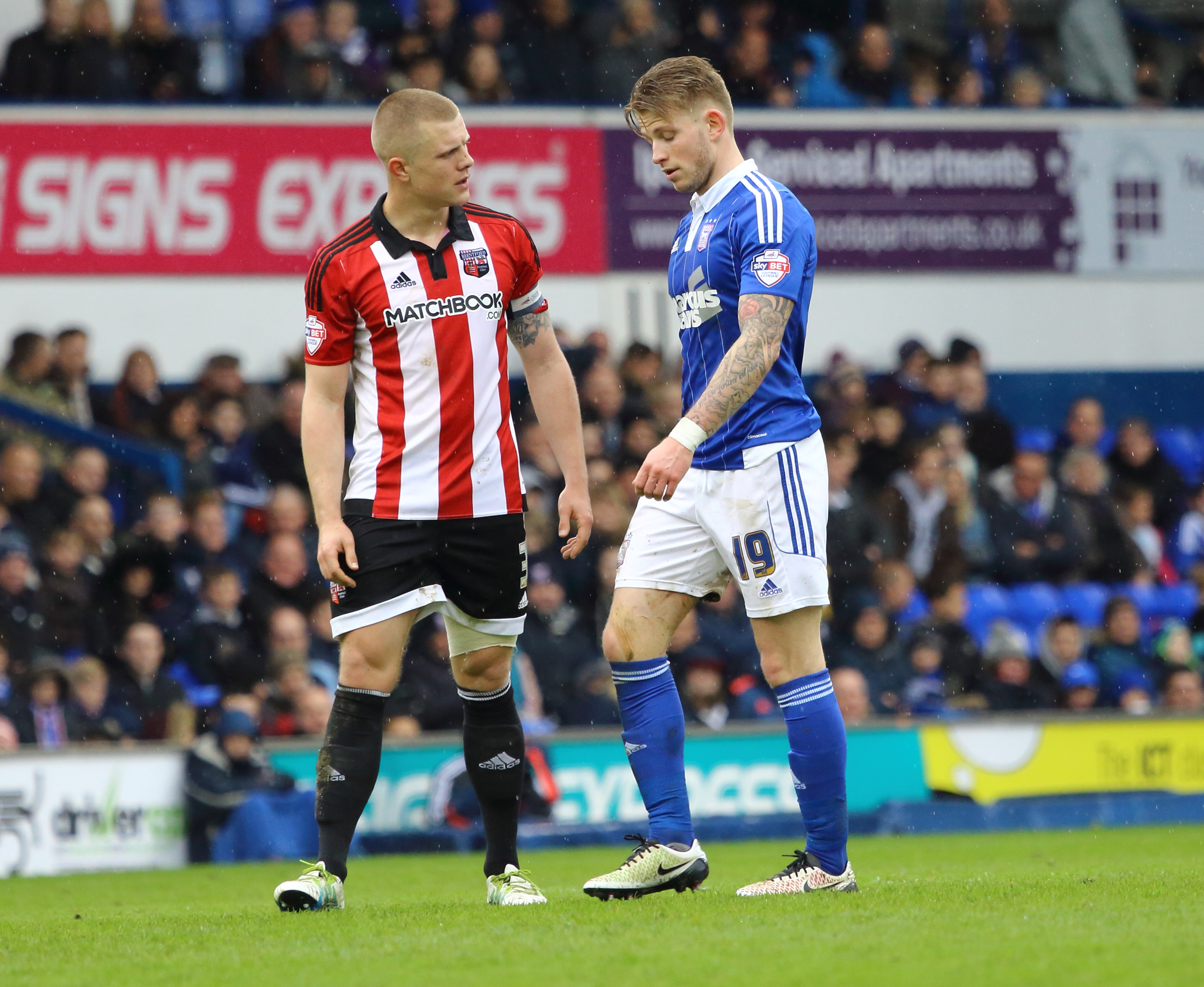
ADHD paradoxically can also potentially be an advantage in athletes where periods of focus for racing or playing are often short, some times less than 10 seconds. In some cases treatment may have negative effects and not the potentially ” improved” effects that some might believe from usage of stimulants or non-stimulant medications.
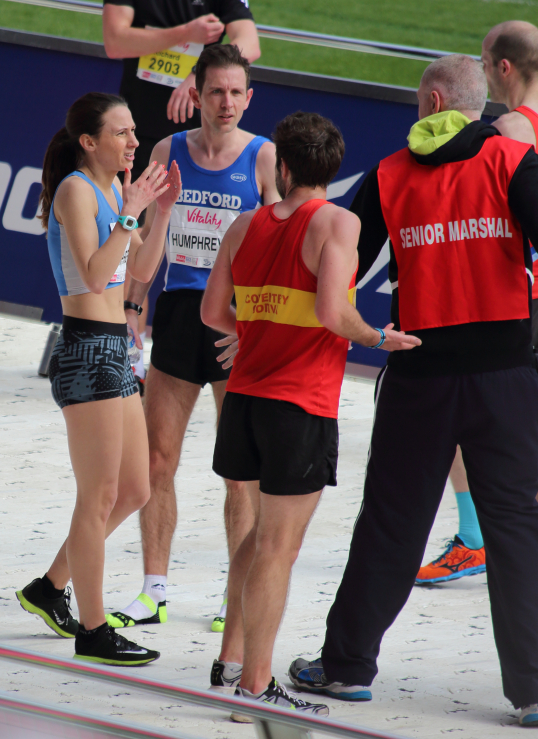
Some of these strengths linked to ADHD which, managed properly , can lead to success in multiple areas of life, and include: an ability to multitask, deal with chaos, creativity, non-linear thinking, an adventurous spirit, resilience, high energy, risk taking, calm under pressure, and the capacity for hyper focus . Talking to many ADHD experts they report that in many adult ADHD cases hyper focus is prevalent and in certain situations ADHD patients can focus better than the general population.


Should ADHD be treated then in athletes? Generally it should as most athletes have lives outside of their sport and other facets of their lives including relationships may suffer.
ADHD can manifest in many ways, including lack of focus and concentration, oppositional behavior in team sports, argumentative attitude, frustration, poor self-esteem, and mood lability. In addition, anxiety, depression, substance abuse, each of which directly affects team sports and participant interaction. For these reasons, athletes with ADHD often perform better with medical treatment in life and in their sport.
Some disagree with this and a few papers discuss the ethics of using stimulants based on performance enhancement. My view is different. The medication elevates underperformance where this is found, not in all cases, and brings it to normal levels. Athletes also deserve a life and relationships and employment. Medication has an important role to play.
Another death of a young footballer? Is this acceptable? How can we reduce the risk of cardiac deaths in nonleague football
A 26 year old footballer playing in the ninth tier of English league football collapsed and died during a game . Daniel Wilkinson was playing for Shaw Lane a West Yorkshire nonleague side. There are no reported further facts on the cause of death . Other than that he appeared to have had a cardiac arrest

Daniel had been playing for various nonleague clubs having originally signed a professional contract with Hull City in 2010.
There have recently been a plethora of reported deaths and collapses of young footballers during games. What are the likely causes? There are many causes of sudden death in the general population however the most likely cause would be an undiagnosed form of cardiomyopathy or a massive subarachnoid haemorrhage. Or a few more unusual causes of sudden cardiac death that may or may not have cardiac structural defects.
 There are differing forms of cardiomyopathy however they all have inappropriately thickened portions of the heart muscle . A common form is hypertrophic left ventricular obstructive cardiomyopathy . HOCM. The real risk is a double risk that the condition is undiagnosed and the propensity for serious and often fatal cardiac arrhythmias. This would be a possibility for Daniel.
Over the years a greater awareness of this condition which can be both treated and managed has come about. Andy Scott the ex-Brentford player and manager and now chief scout had his career ended by a diagnosis of HOCM. He now regularly campaigns for the charity CRY which advocates routine echocardiography which mostly is the diagnostic test needed for a diagnosis.
Deaths have been reported in all forms and levels of football and the most recent death in UK nonleague football was Junior Dian a 23 year old player with Tonbridge Angels who collapsed and died In Juky 2015. Other than occasional causes of death that include being struck by lightening most cases are reported as was Daniel Wilkinson as cardiac arrest or possible heart attack. Heart attacks are relatively rare in this population and it is likely that sudden arrhythmias such as from cardiomyopathies were the cause.
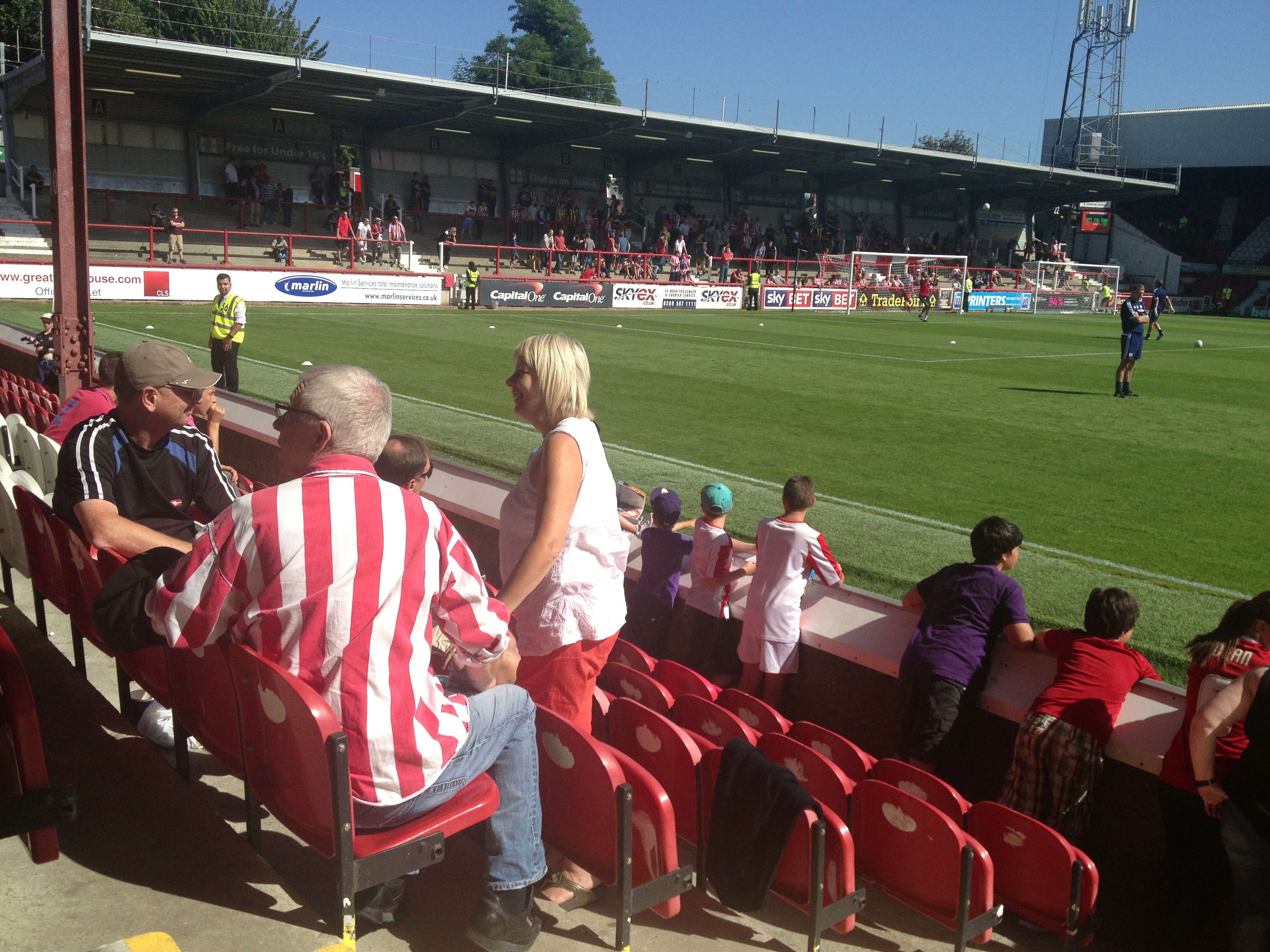 Daniel was the seventh reported death in 2016 with 6 having similar features. In fact 47 such deaths have been recorded since 2010 in Europe. Mostly these cases were young players aged 20-30 and mostly sudden collapse. Only one case is formally reported as right ventricular cardiomyopathy.
In Italy for many years players have had to be tested and obtain cardiac certificates. Some testing clearly goes on in top tier football but how much In nonleague? There is an argument that routine screening using ECG and Echo could be the optimal screening tool . These are not expensive tests and even in lower tiers of nonleague football some wages are high enough for players or clubs to fund this testing.
Some nonleague players such as Tobi Alabi were fortunate and survived and also now campaign for cardiac testing .
http://www.isthmian.co.uk/standing-ovation-for-heart-campaigner-17933
Nonleague football should take a view on what it considers reasonable to protect their mostly young players who play for some degree of payment . If the FA can impose regulations designed to allow financial probity then they should be able to propose some form of health regulations. There needs to be some form of mandatory cardiac screening for young footballers
https://www.theguardian.com/football/2014/mar/17/tobi-alabi-heart-stopped-dead-fabrice-muamba
The other issue is that all football clubs should have defibrillation equipment . In an acute emergency where cardiac arrest has occurred speed is of the essence and an immediate defibrillation is the best option in all cases. Defibrillators are cheap and save lives. They are also easy to use and should be available at every football club at any level. There is really no debate about this.

Stadtpark Vienna
With an hour to spare on a work trip I decide on a hot day 29.6c to take a walk around the park opposite my hotel.
Stadtpark is a municipal park in the centre of Vienna , the largest Central Park and has been here since 1862. It hosts numerous monuments and is home to thousands of ducks . 
Vienna is a city I have visited many times but never had the opportunity to peruse the city and its buildings. I suppose the potential number of places to see is around 50 as the tourist stopping hop on and off bus does have 6 routes and 50 stops.

The park is busy. It seems obligatory to drive a taxi at 140 kph and the numerous skateboards and scooters at the same speed.

 Hoardes of predominantly Chinese tourists congregate in front of each monument to have their photo taken. The saving grace is that I did not see a single selfie being taken nor selfie stick.


The denizens of Vienna decorated the grass areas and many intently read their books. Differing hair colours seemed the norm . If not on the grass then they sat on te rather grubby wooden benches some curiously protected by steel cables to prevent theft.



I found myself yearning to be an hour or so away in Slovenia where the parks and cities are so different.
There was graffiti scrawled aimlessly across various small wooden boxes that might sell ice creams. However none of the delightful street art that adorns many EU cities.


This is not a park that I warmed too. There seemed little grace and beauty and mostly it can be described as functional.
Would this be in my 50 places to visit in Vienna? I don’t think so . A single sign did make me smile though!




A Great Place
The rants and warblings of an active and some would say disturbed mind. A Brentford Fc supporter and a psychiatrist and photographer. Welcome to my musings and rants.
 chris1957
 Arcticterntalk.org