Arcticterntalk.org

The blog of a travelling psychiatrist and football lover. Who happens to be a halfway decent photographer. Takes a cynical view of the world

Archive for the month “July, 2015”

Crab Spider Visiting New Malden. I think he is from Texas.


chris1957's avatarArcticterntalk.org

Over the last few years I have become more cogniscent with nature and insects due to the interest from my 12 year old. Sitting in the garden last week I saw what I thought was a piece of paper or rubbish in the plant pot that is filled with bright blue and yellow pansies and reed type leaves. On closer inspection it was moving and had legs. Quick rush to get camera with Macro lens attached.

Told 12-year-old when she got home and cue excitement and Google searches. No doubt it was a Crab Spider. Now this must be a particularly stupid one as one of their attributes, other than that they resemble a crab, is that they change colour and can camouflage themselves.  Considering the pot is filled with bright blue and yellow pansies and green reed type leaves, said Crab Spider did not do a good job being…

View original post 329 more words

Spiders in New Malden


chris1957's avatarArcticterntalk.org

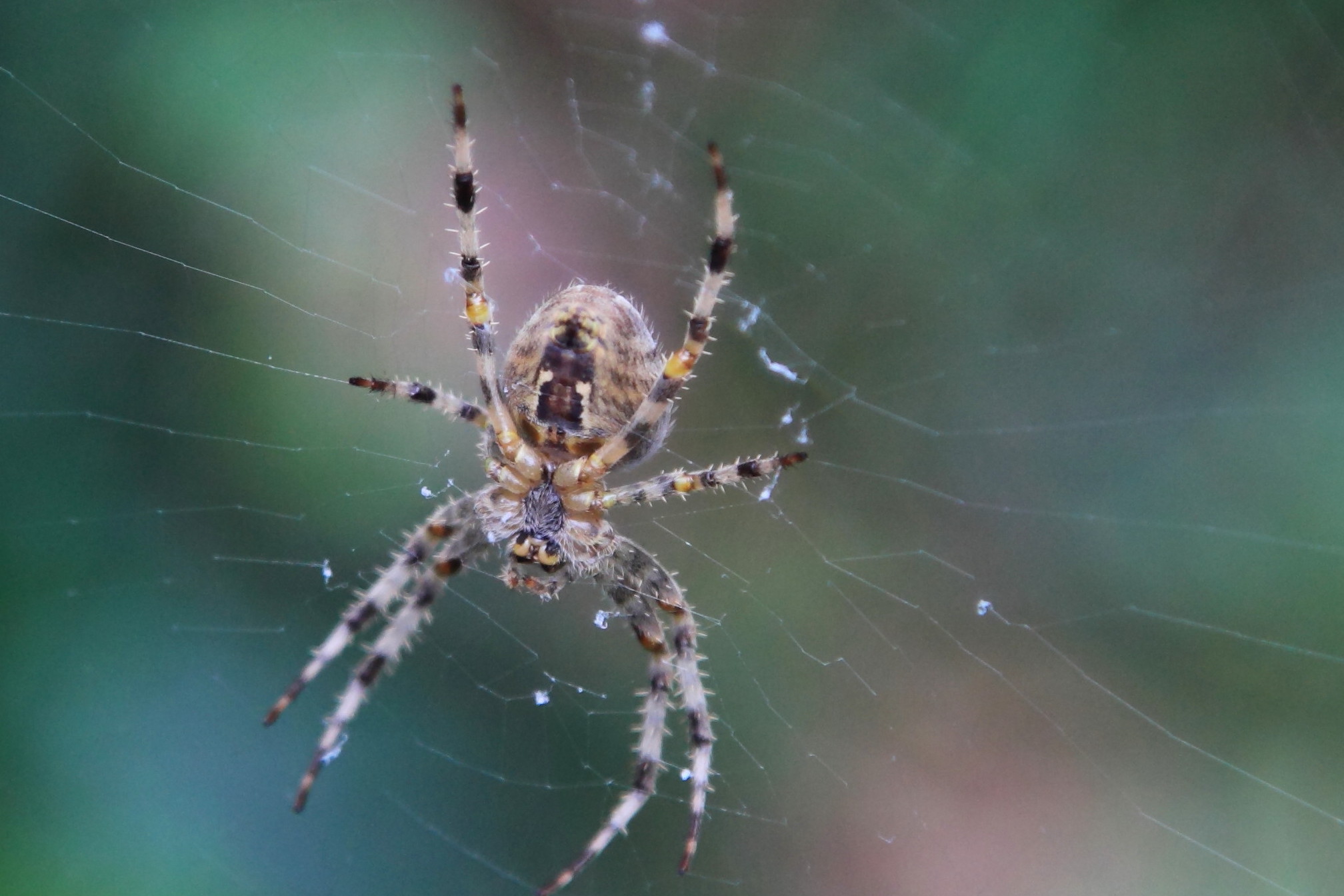
Our garden is an eco-system, well thats the opinion of the teacher at our daughter’s school and in fact applies to all the form who have a garden. Thinking about it we have foxes, bees, hedgehogs and numerous other invaders and visitors.  Compost is  made and goes on the soil, an oak tree grown from an acorn from Wisley Gardens, apple tree and so on. Anyway whilst photographing this melee of activity today ( whose homework is it?) I met some large and curious spiders. The garden spider is alive and well in New Malden. What however is interesting and there may be a simple reason, is why hardly any of these exist at  Wisley RHS gardens? any clues?

Garden Spider by chris Bushe Garden Spider by chris Bushe

Garden Spider by chris Bushe Garden Spider by chris Bushe

Garden Spider by chris Bushe Garden Spider by chris Bushe

View original post

What is this Plant?


I have a pot outside the front of my house and all plants planted there have initially thrived then suddenly died. The soil has remained the same and untouched for maybe almost 12 months. In the last week this plant or weed has begun to grow and seems spectacularly happy. But what is it? Is it a plant or some hideous weed like a triffid?

All help and advice welcome.

What is this plant?

What is this plant?

Redcurrants are still illegal in some USA states. Why and is this reasonable?


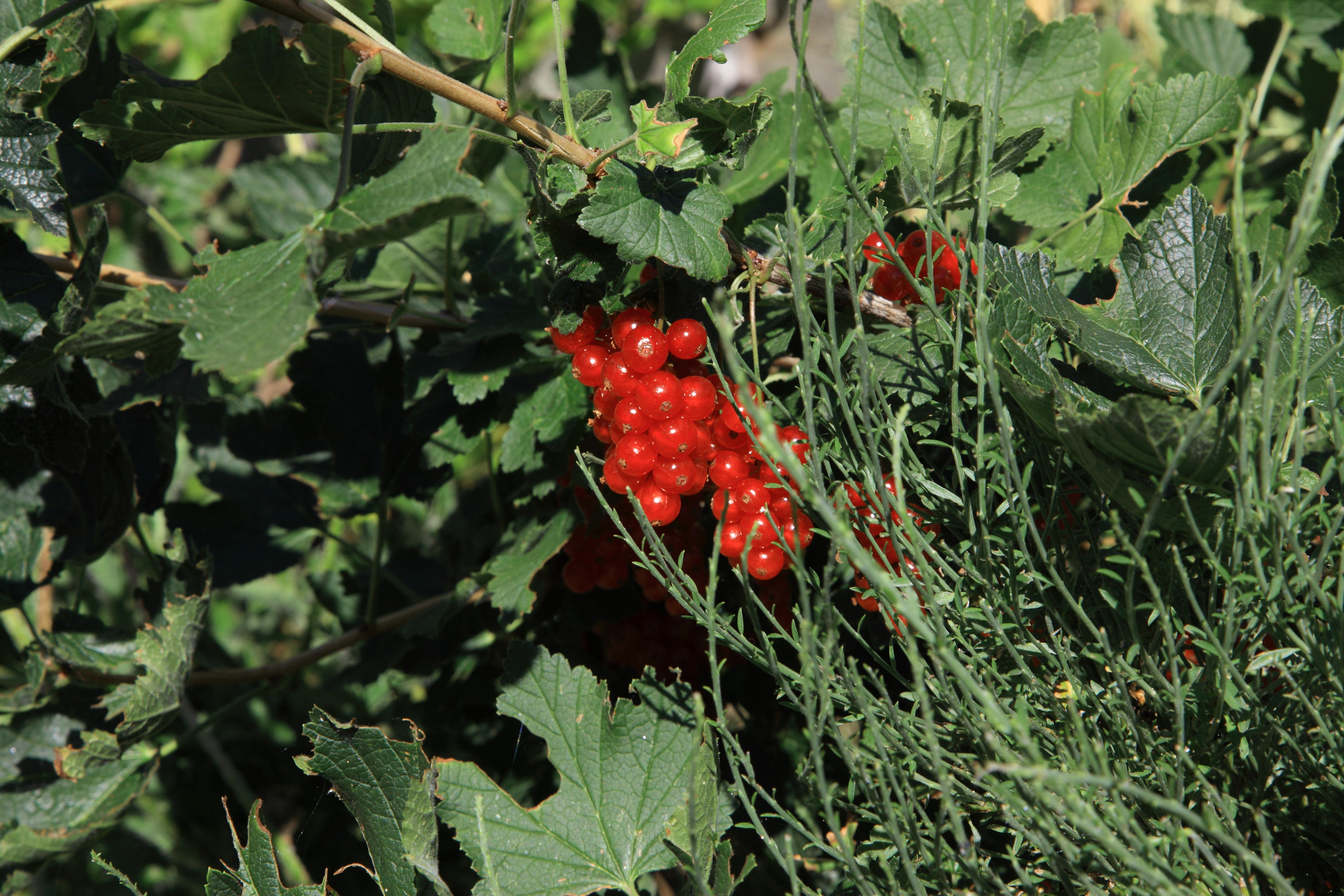
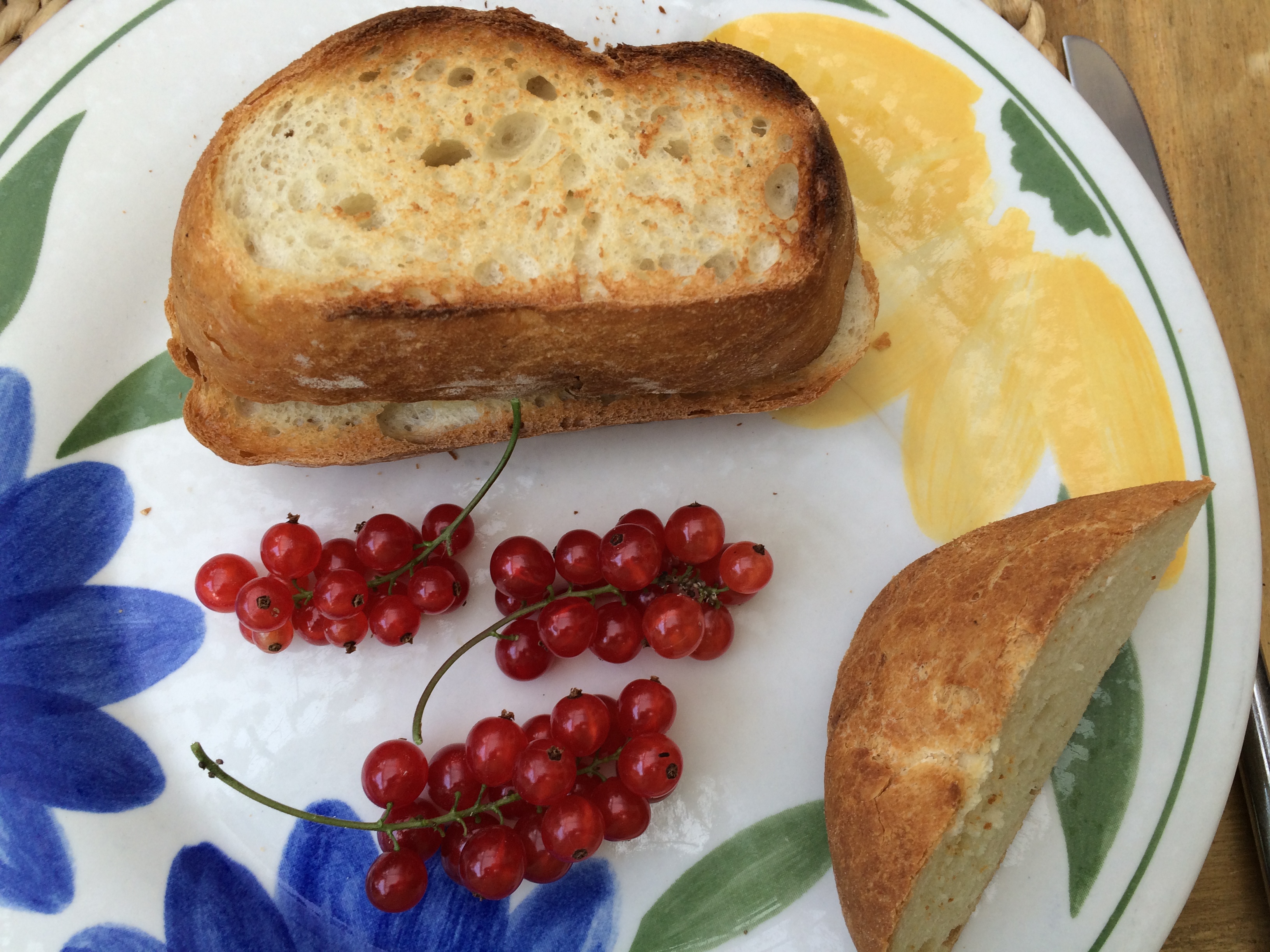
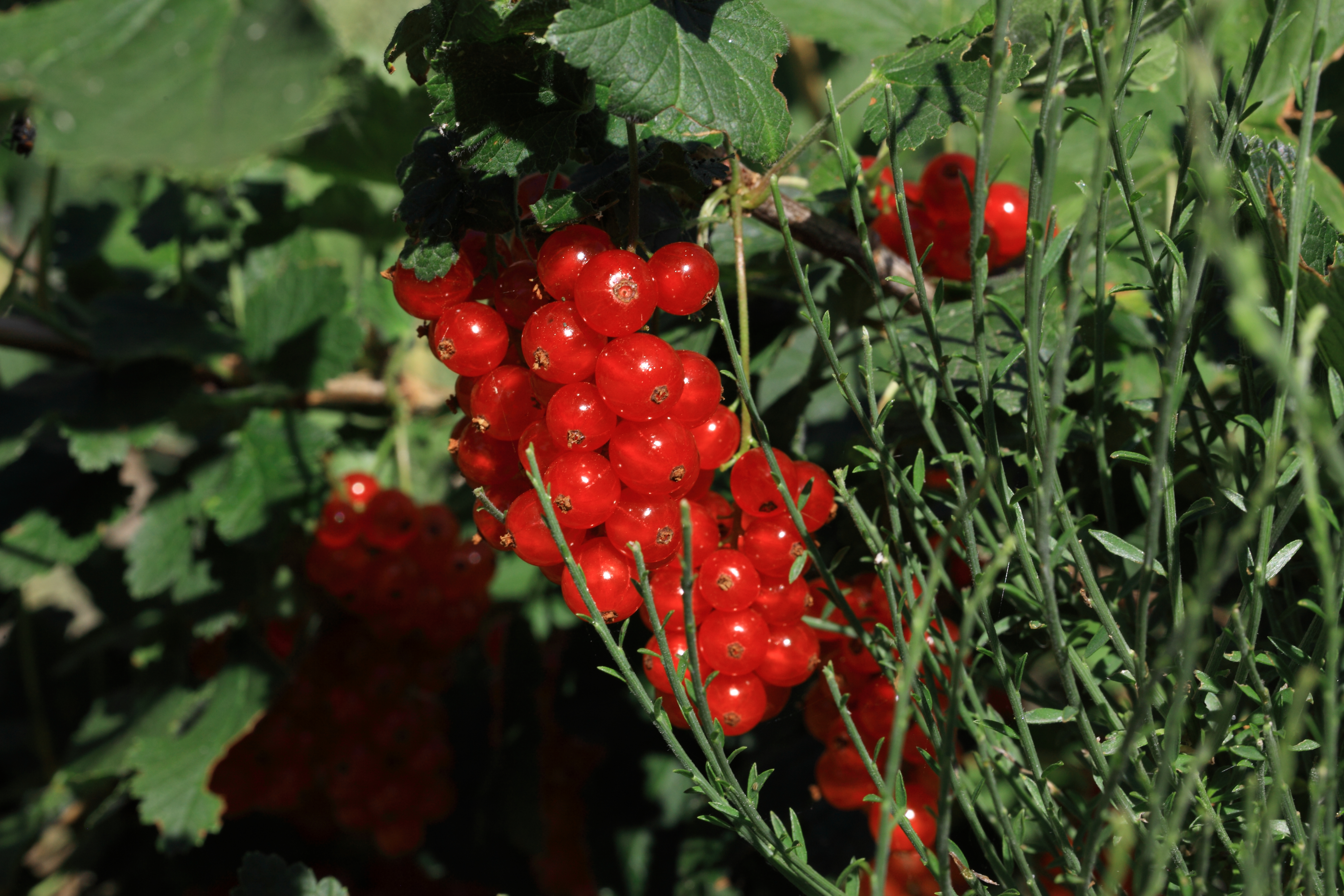
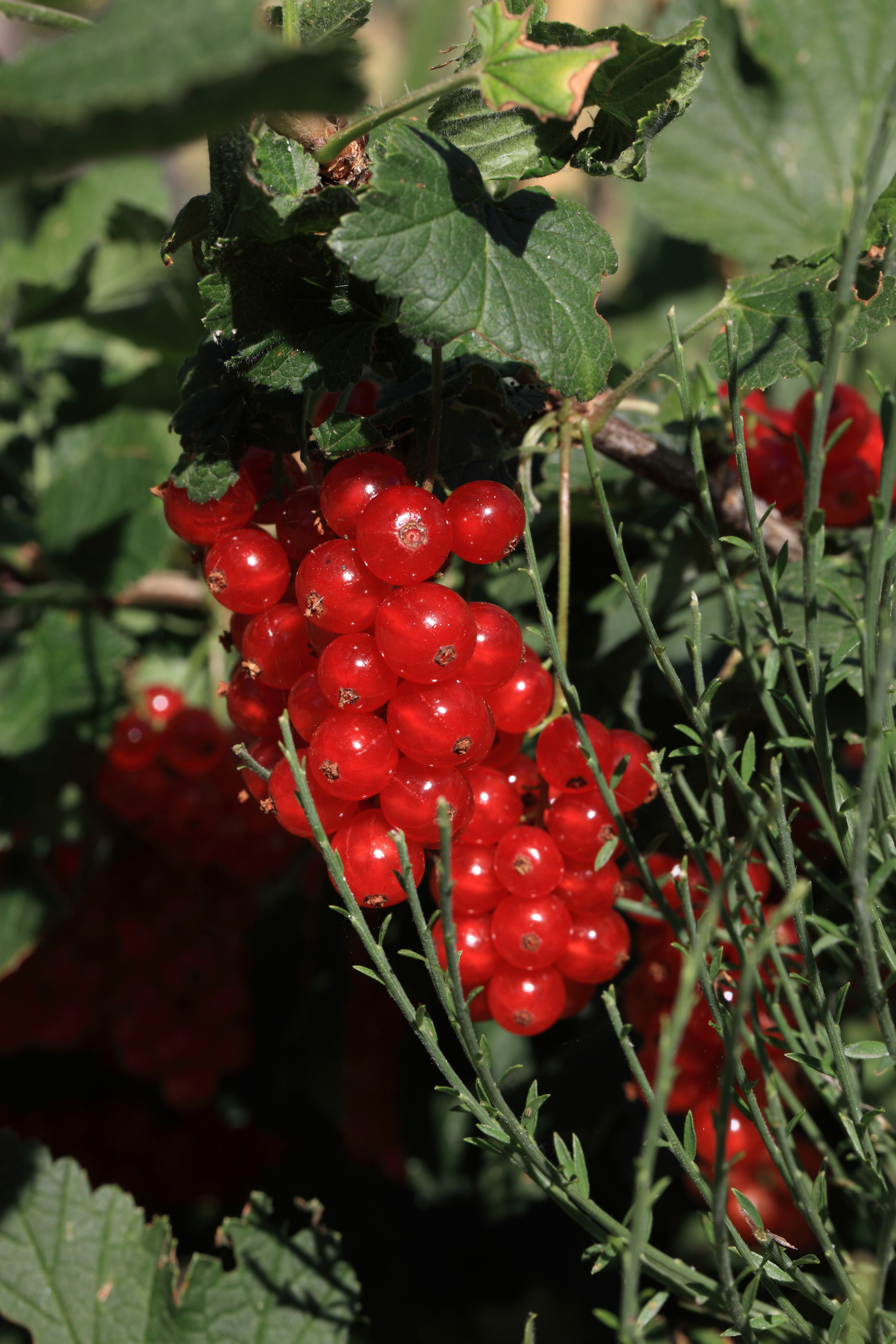
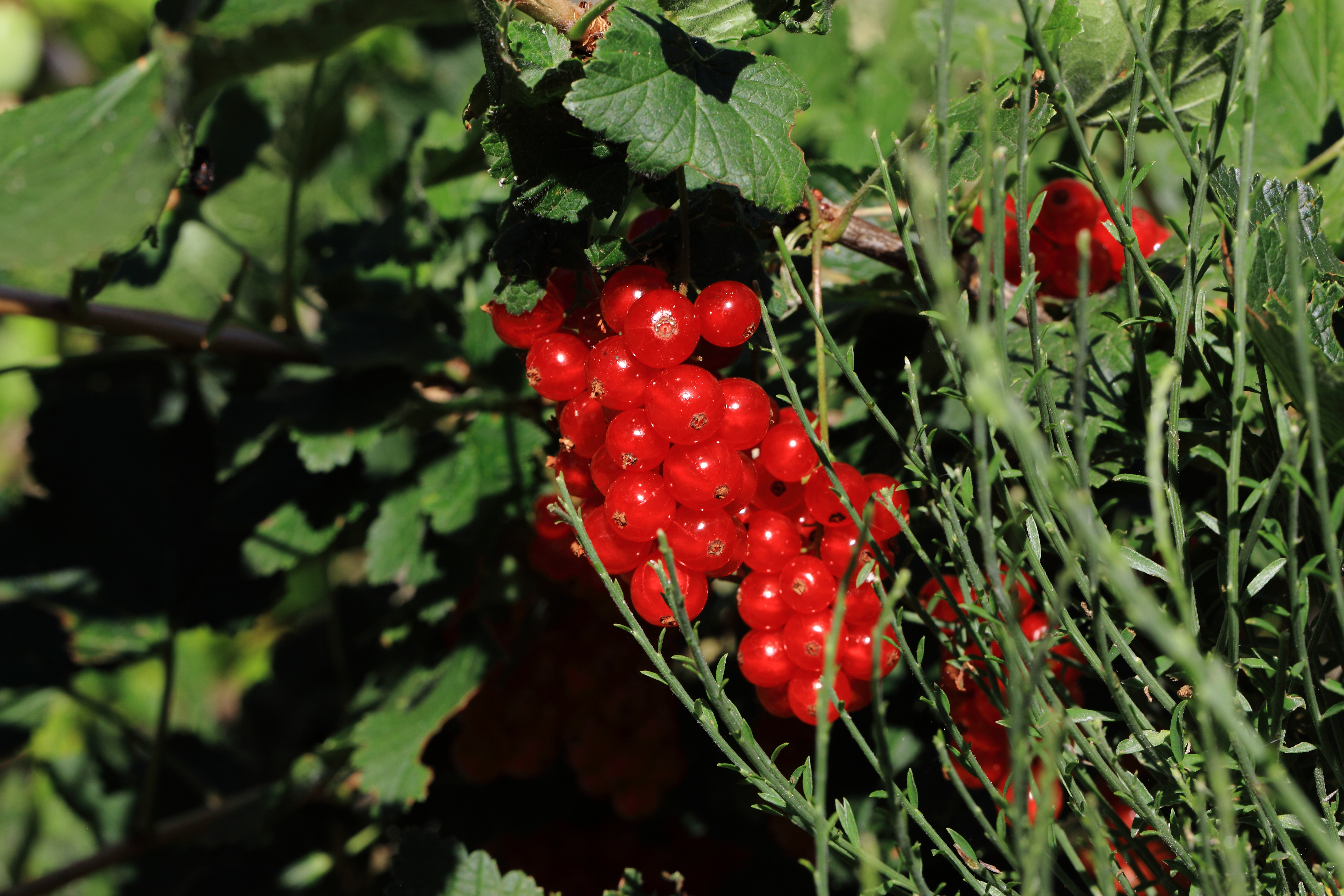
The redcurrant (or red currant), Ribes rubrum, is a member of the genus Ribes in the gooseberry family , native to parts of western Europe (Belgium, Great Britain ,France, Norway, Sweden, Germany, Netherlands, northern Italy, northern Spain, Portugal and Poland). They tend to grow best in coll regions with abundant moisture. More importantly right now they grow in my surrey garden. A single plant (like mine) can produce up to 2.5kg. What however many are not aware of, including myself till recently, is that redcurrants are prohibited in many USA states. For example they cannot be shipped to North Carolina, New Hampshire, West Virginia. Other states like Delaware and Massachusetts insist on a permit. Some states prohibit them in certain counties/areas, for example Maine and  New Jersey. The federal government had banned the growing of black and red currants in 1911 when the burgeoning logging industry put pressure on lawmakers to eliminate the currants because they were thought to be an intermediate host of white pine blister rust. New disease-resistant varieties of currants were later developed and in 1966 the government left it up to the states to lift the ban. Quinn persuaded New York state to lift the ban in 2003.In 1933, Pennsylvania passed a law that limited growing gooseberries and currants in certain areas; however, the law is not enforced. Therefore, all Ribes can be grown in the state. Many USA citizens are unfamiliar with currants generally including redcurants, although New Yorkers grew 2,700 acres of them in the 1920s.

The reasons are quite historical. In the early 1900s, the federal and state governments outlawed the growing of currants and gooseberries to prevent the spread of white pine blister rust (Cronartium ribicola). This fungal disease attacks both Ribes and white pines, which must live in close proximity for the blister rust fungus to complete its life cycle. Although the federal ban was rescinded in 1966, some northern states as above do still prohibit the planting or cultivation of  currants. In 2003 though, New York State passed a law that modified its ban to allow commercial growers and home gardeners to legally grow red currants, gooseberries and immune or resistant cultivars of black currants throughout New York State.

New disease-resistant varieties of currants were later developed and in 1966 the government left it up to the states to lift the ban. Quinn persuaded New York state to lift the ban in 2003.It is good news that production is slowly returning in USA as redcurrants are undoubtedly healthy fruit. After all, red and black currants have four times more vitamin C than oranges and twice the antioxidants of blueberries.

Redcurrants Copyright Chris Bushe 2015

Redcurrants
Copyright Chris Bushe 2015

Redcurrants Copyright Chris Bushe 2015
Redcurrants
Copyright Chris Bushe 2015
Redcurrants Copyright Chris Bushe 2015
Redcurrants
Copyright Chris Bushe 2015
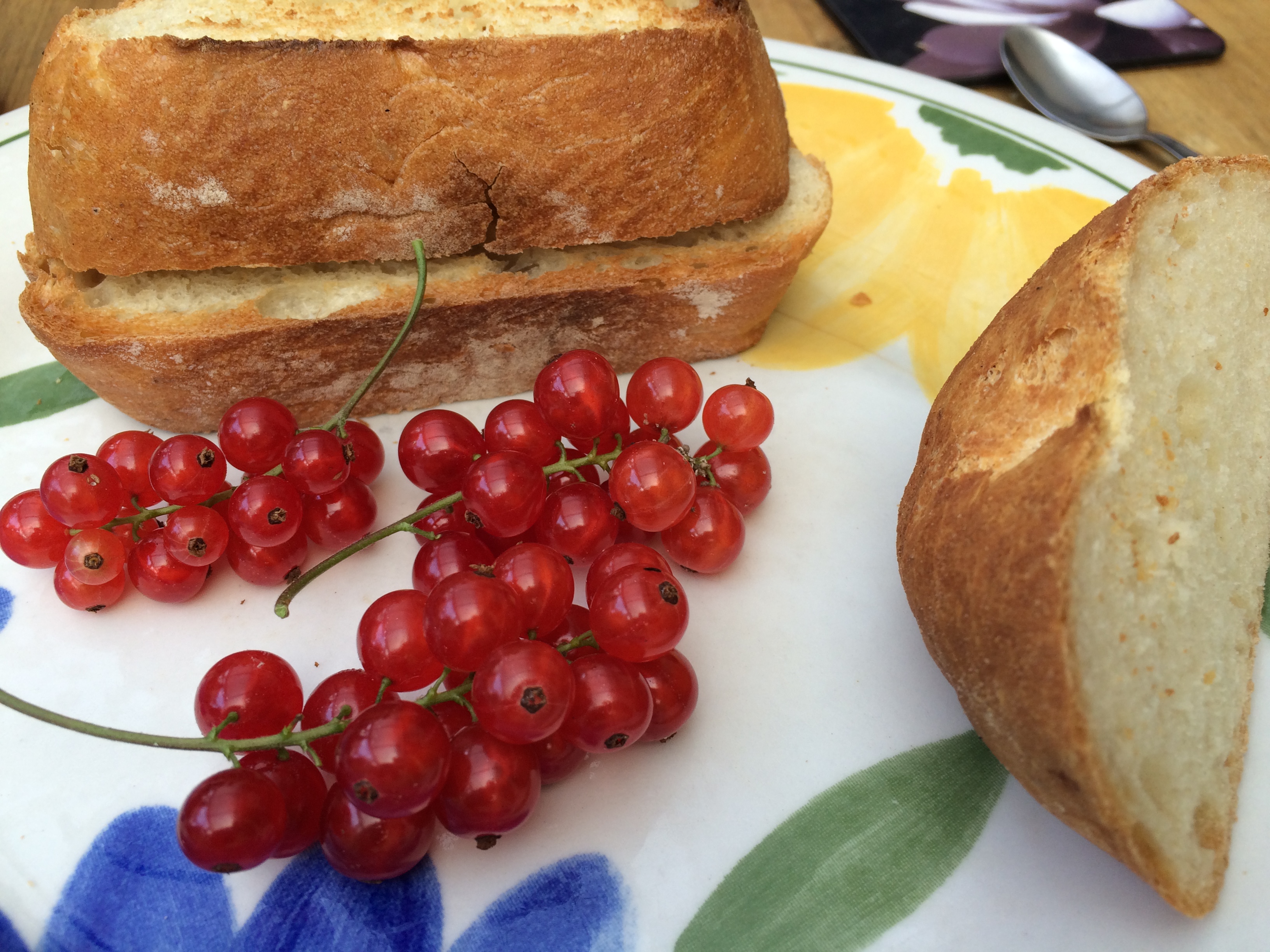
Redcurrants Copyright Chris Bushe 2015

Redcurrants
Copyright Chris Bushe 2015
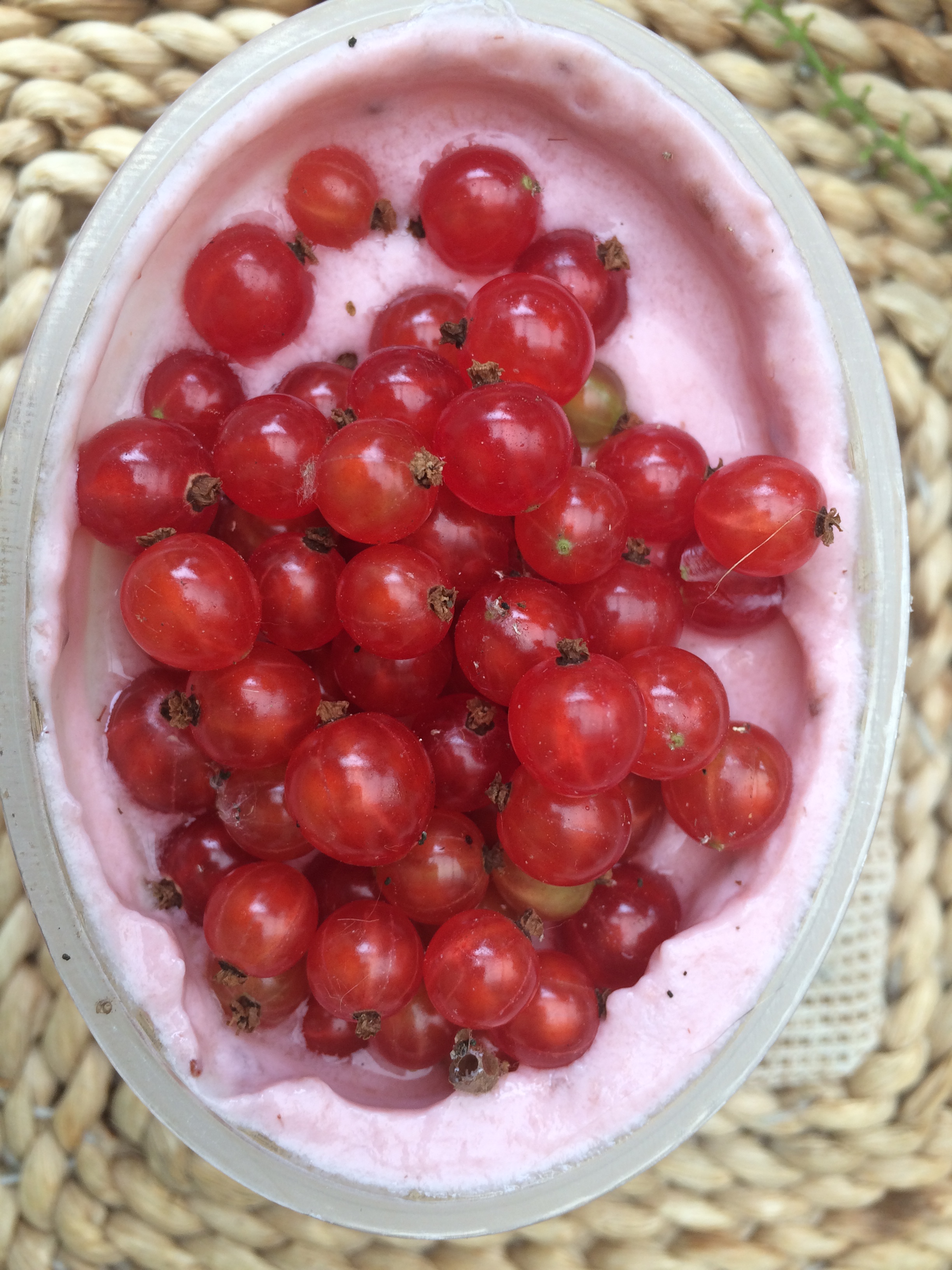
Redcurrants Copyright Chris Bushe 2015

Redcurrants
Copyright Chris Bushe 2015

Redcurrants Copyright Chris Bushe 2015

Redcurrants
Copyright Chris Bushe 2015

Redcurrants Copyright Chris Bushe 2015

Redcurrants
Copyright Chris Bushe 2015

Redcurrants Copyright Chris Bushe 2015

Redcurrants
Copyright Chris Bushe 2015

Redcurrants Copyright Chris Bushe 2015

Redcurrants
Copyright Chris Bushe 2015

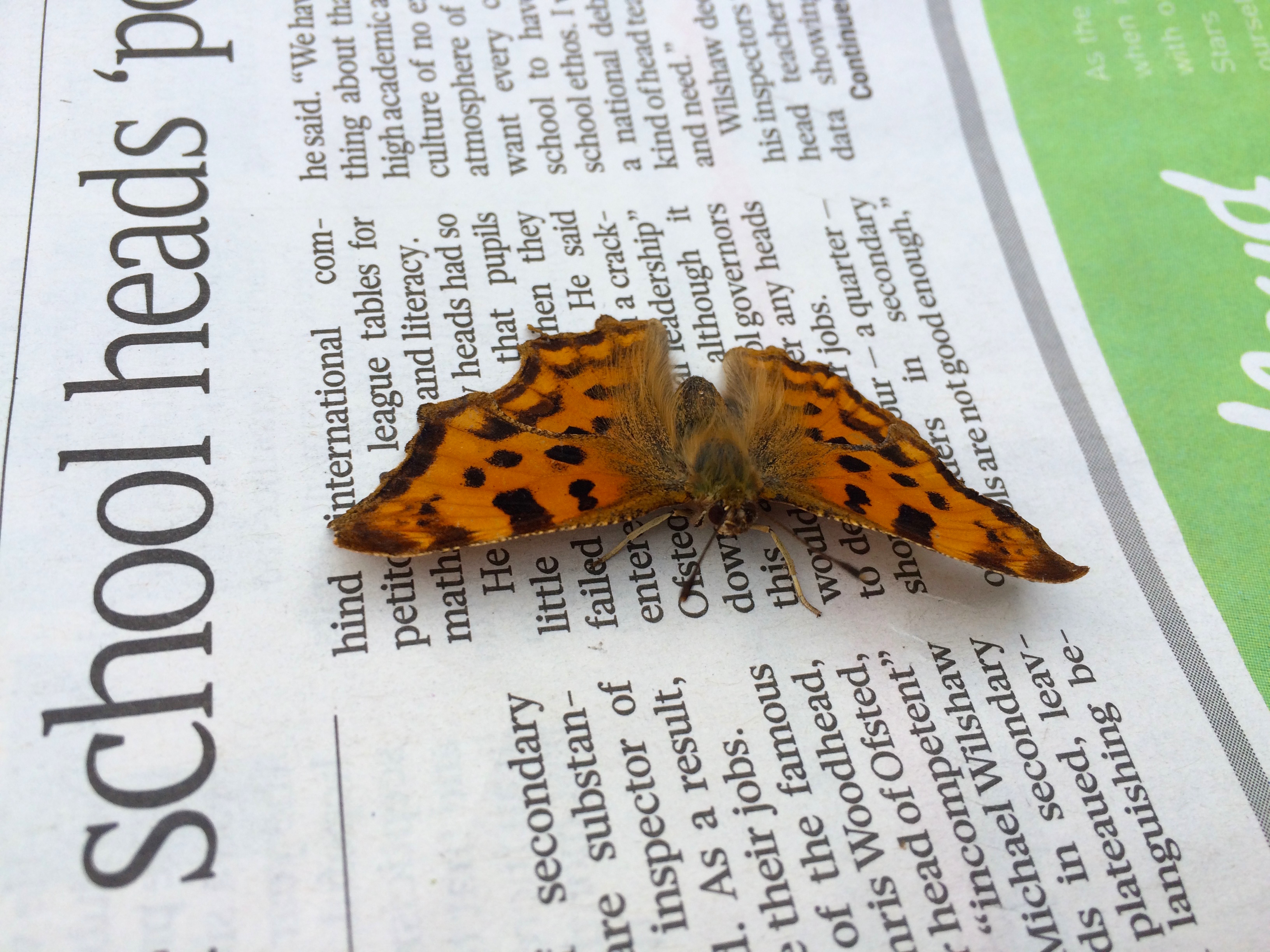
A Butterfly reading The Sunday Times


One of those opportunistic photos where a butterfly maybe a little tired landed on my newspaper and the I Phone was handy. just a cute image really. Maybe it stopped to watch the tennis?

The Sunday Times butterfly Copyright Chris Bushe 2015

The Sunday Times butterfly
Copyright Chris Bushe 2015

The Sunday Times butterfly Copyright Chris Bushe 2015

The Sunday Times butterfly
Copyright Chris Bushe 2015

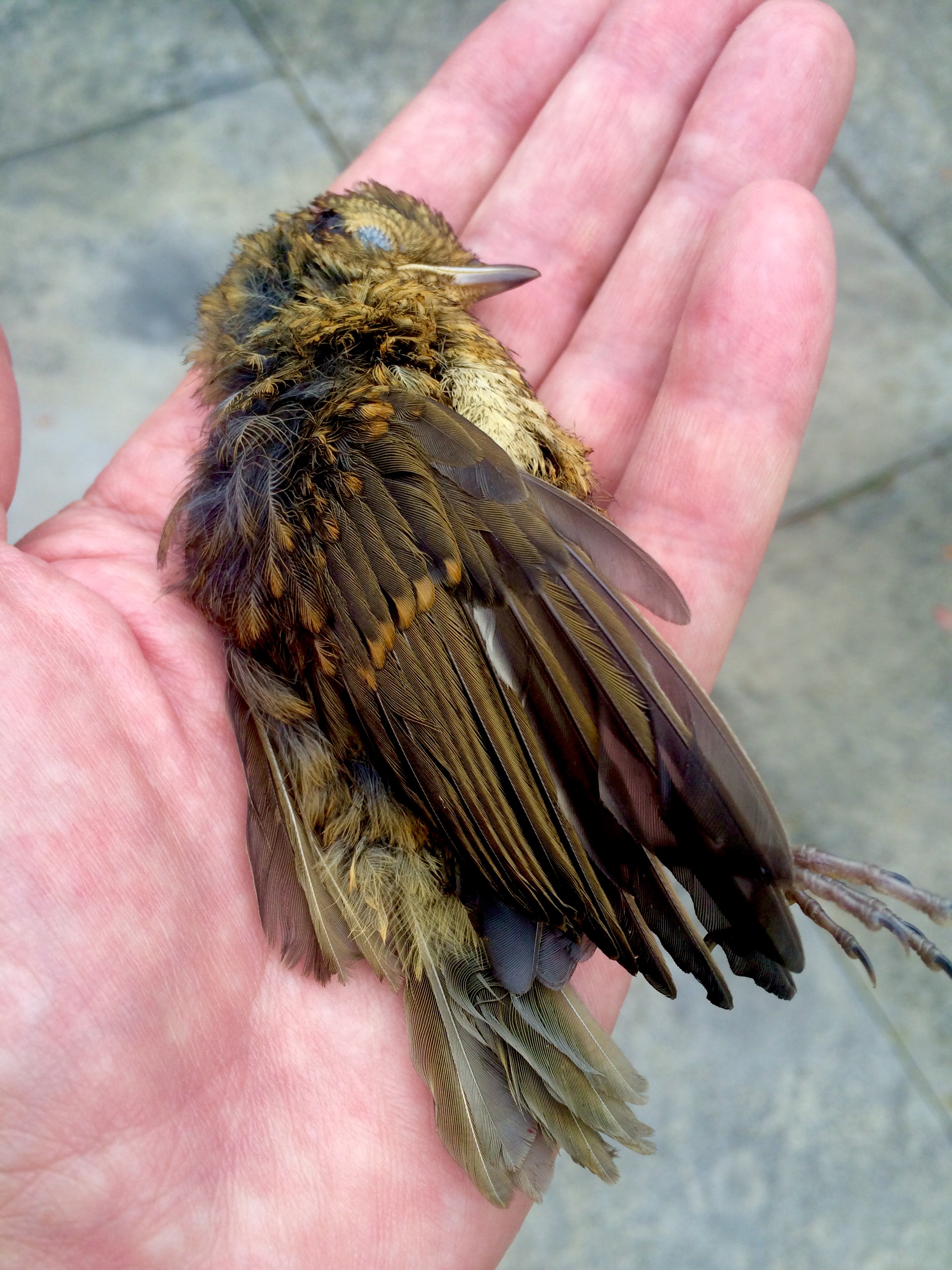
A Gentle Hand


Gentle Hand Copyright Chris Bushe

Gentle Hand
Copyright Chris Bushe

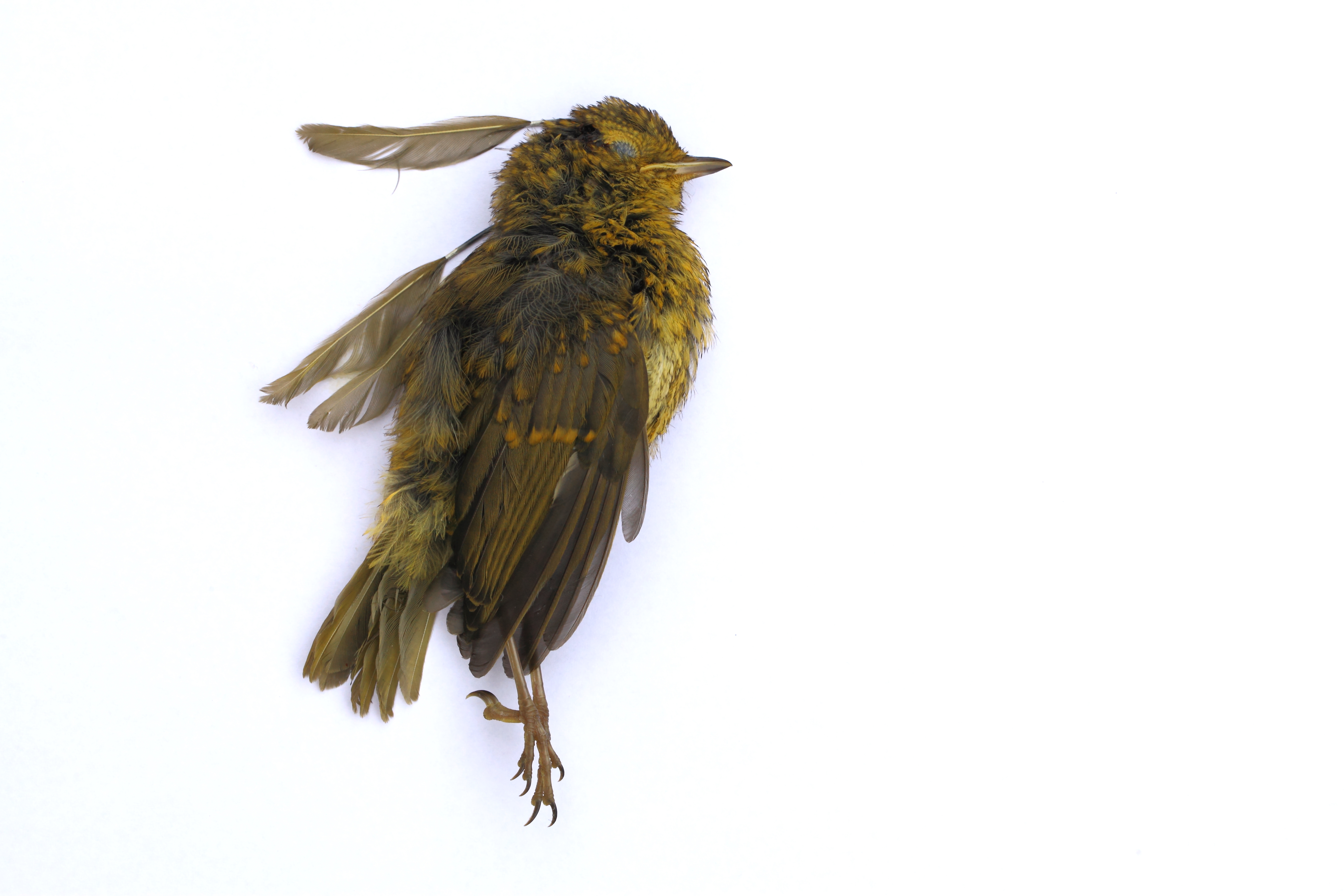
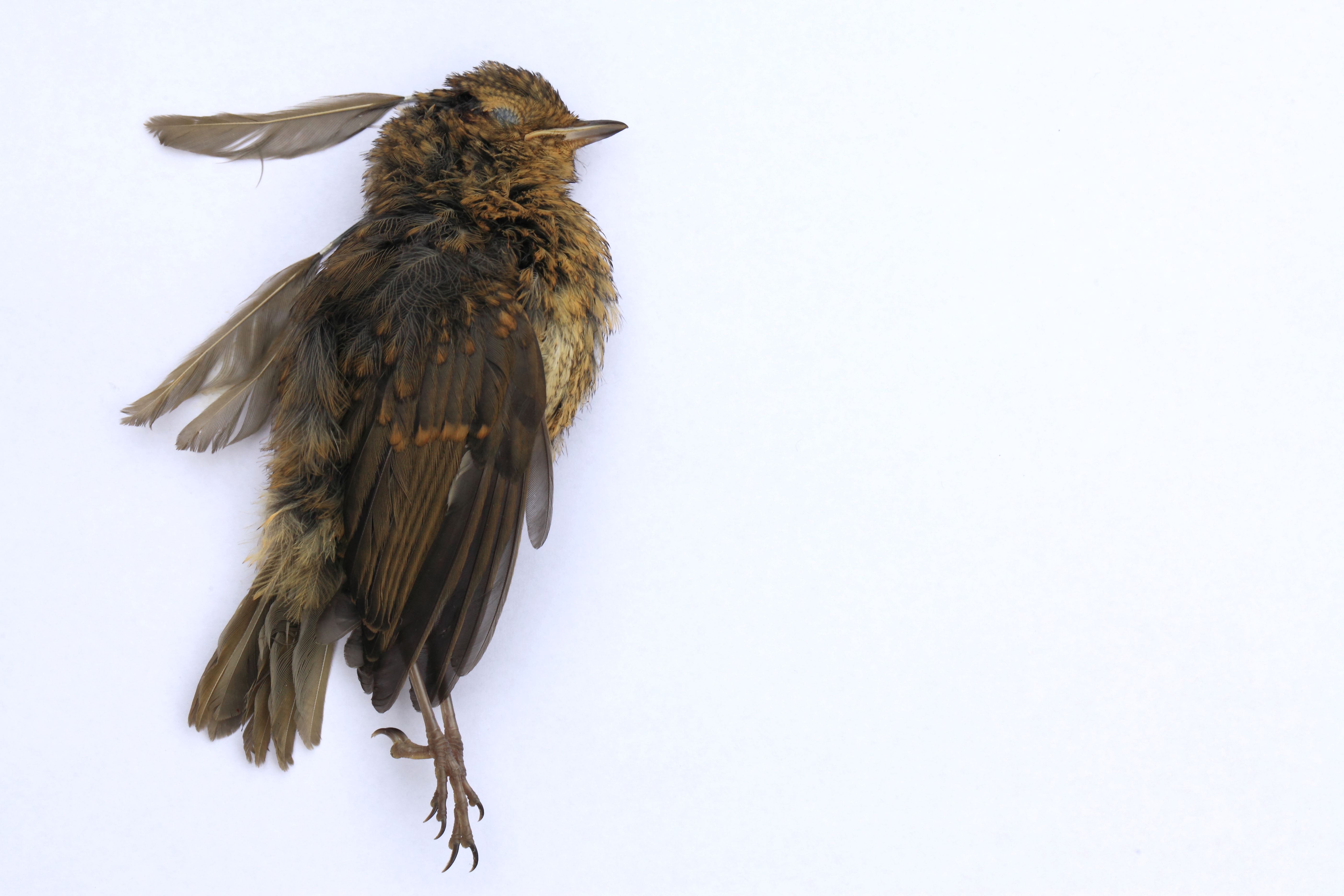
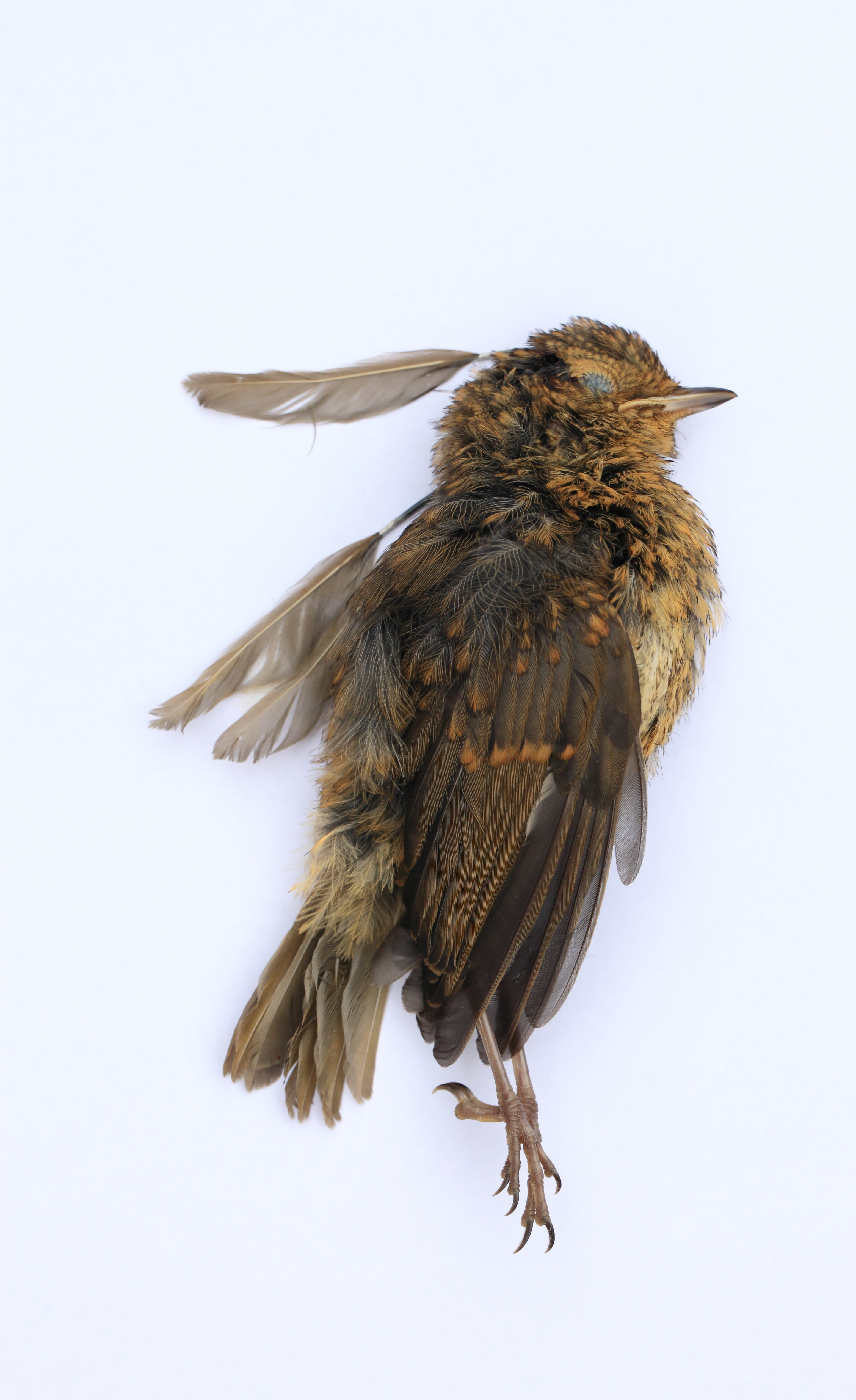
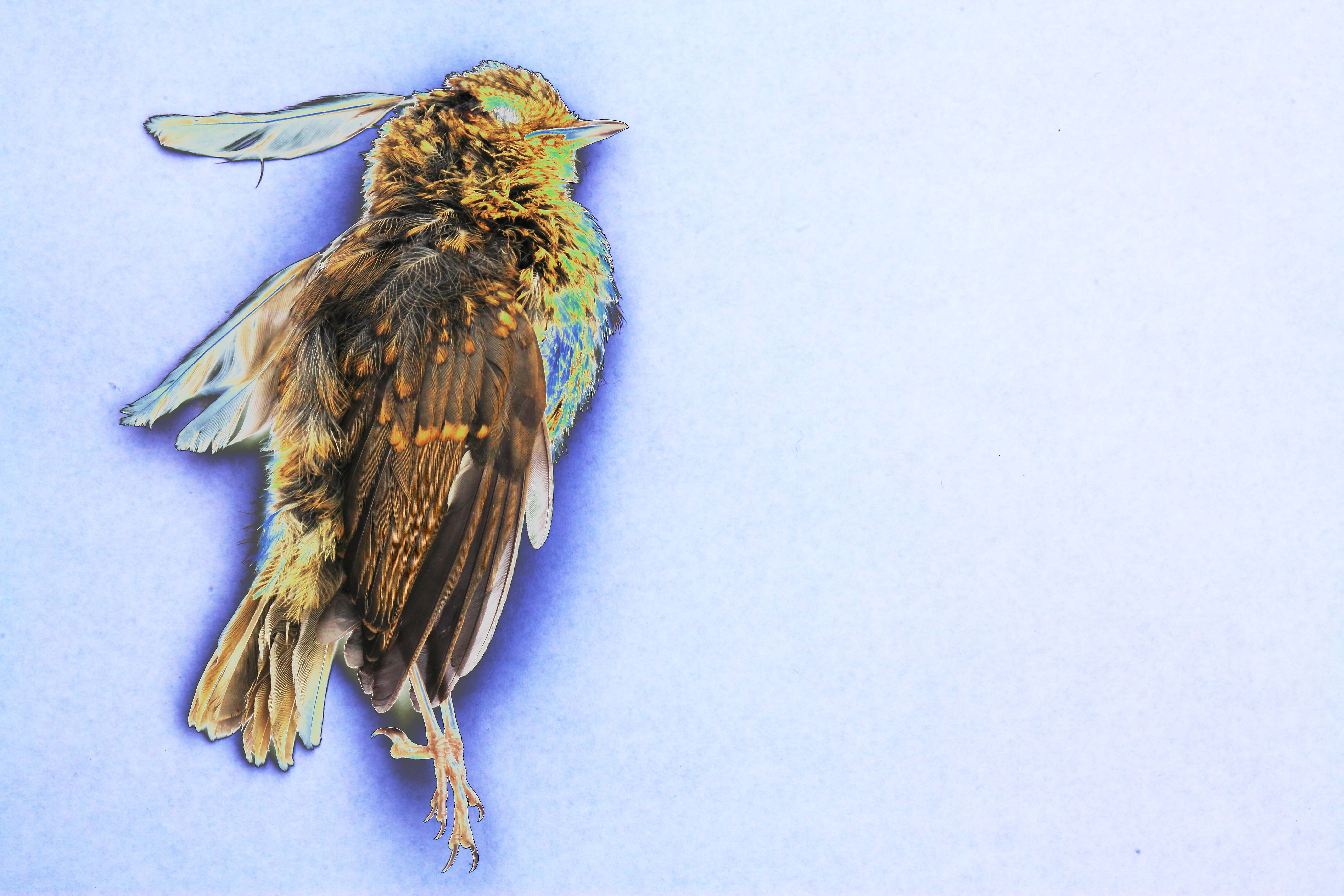
Dignity given to the Dead Bird


The Dignified Dead Bird Copyright Chris Bushe

The Dignified Dead Bird
Copyright Chris Bushe

The Dignified Dead Bird Copyright Chris Bushe

The Dignified Dead Bird
Copyright Chris Bushe

The Dignified Dead Bird Copyright Chris Bushe

The Dignified Dead Bird
Copyright Chris Bushe

The Dignified Dead Bird Copyright Chris Bushe

The Dignified Dead Bird
Copyright Chris Bushe

The Dignified Dead Bird Copyright Chris Bushe

The Dignified Dead Bird
Copyright Chris Bushe

Painting of a Dead Bird by Vincent Van B


Vincent Van B is one of the most unique artists and British painters in the UK.

Painting of Dead Bird. Vincent Van B.

Painting of Dead Bird. Vincent Van B.

Painting of Dead Bird. Vincent Van B.

Painting of Dead Bird. Vincent Van B.

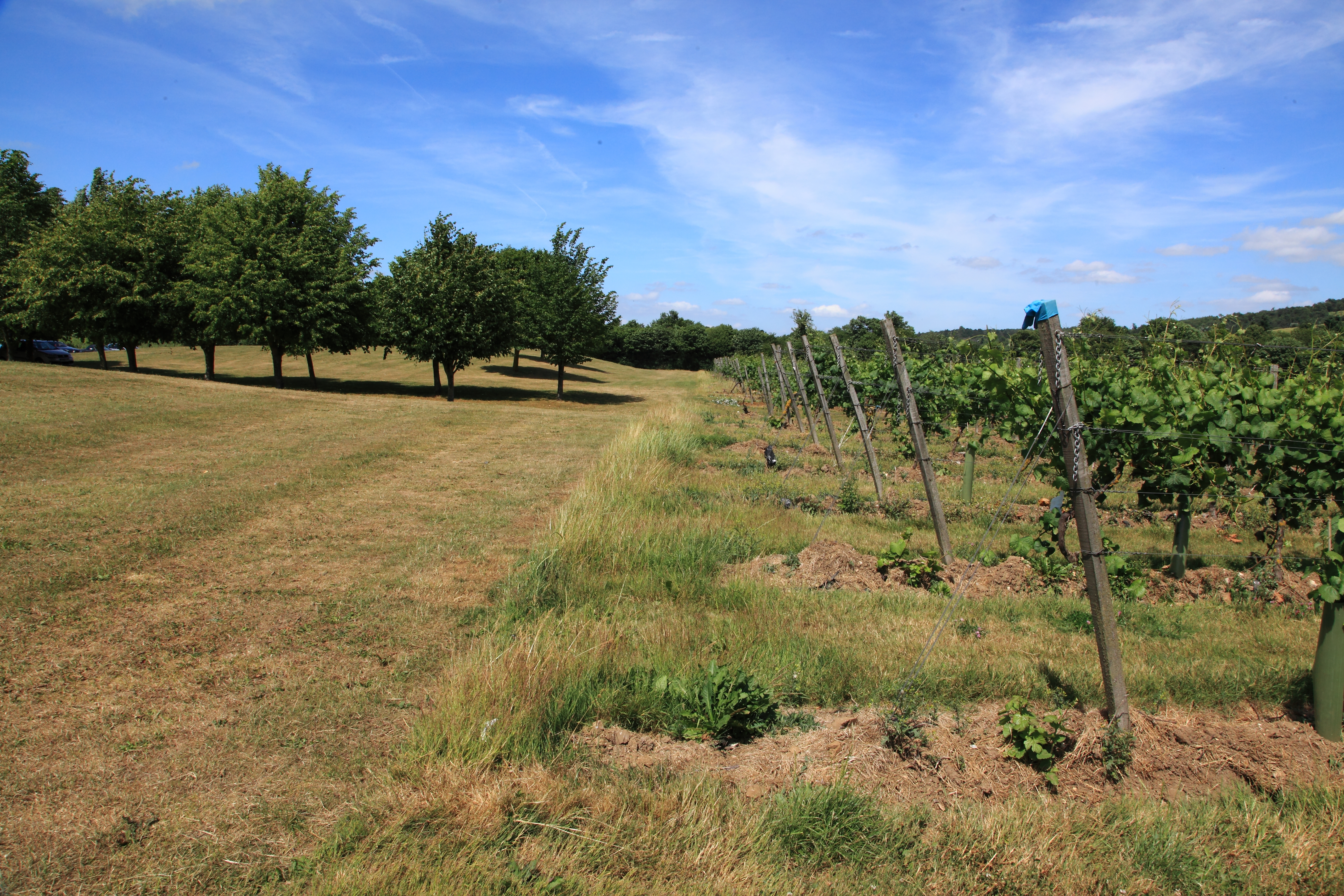
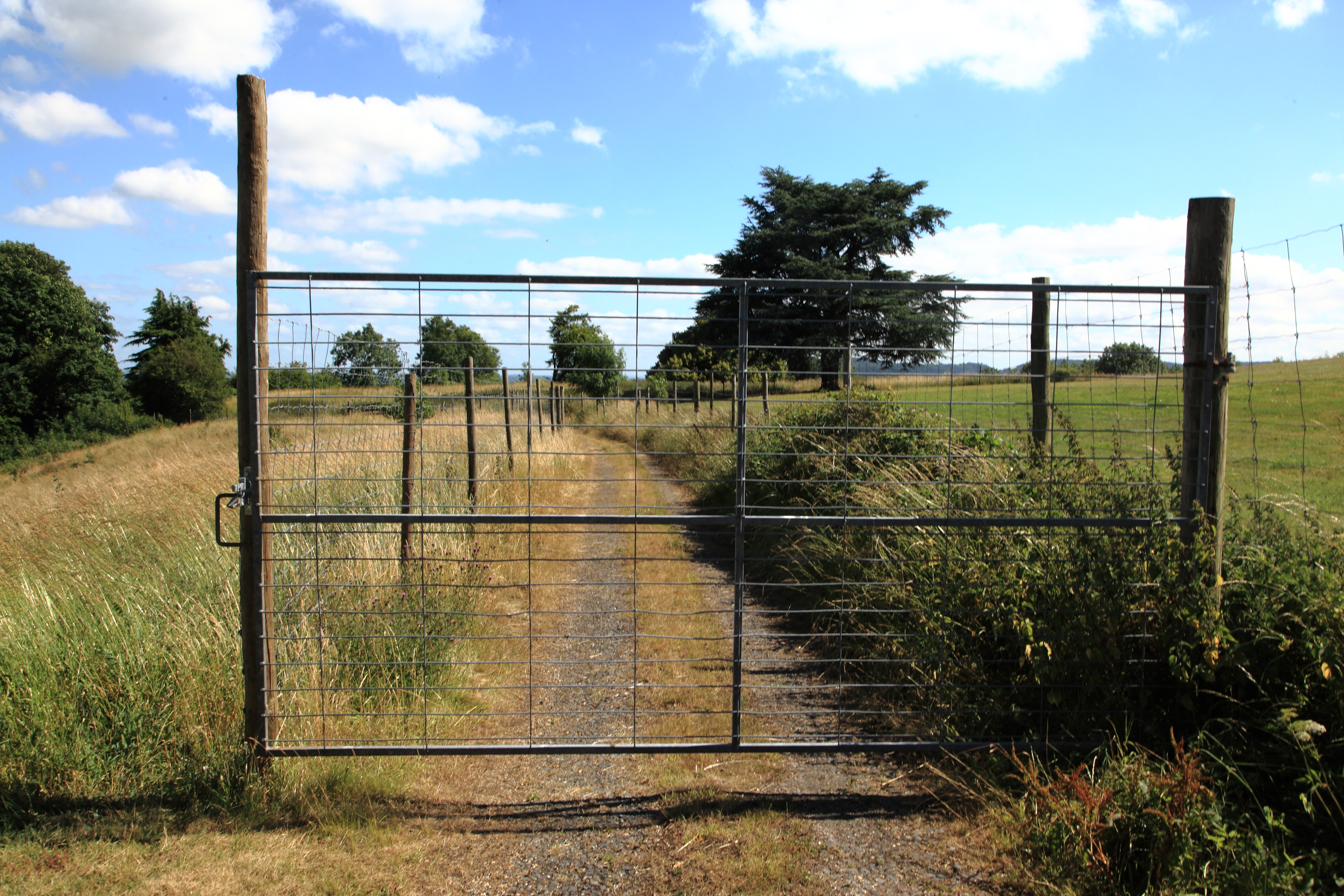
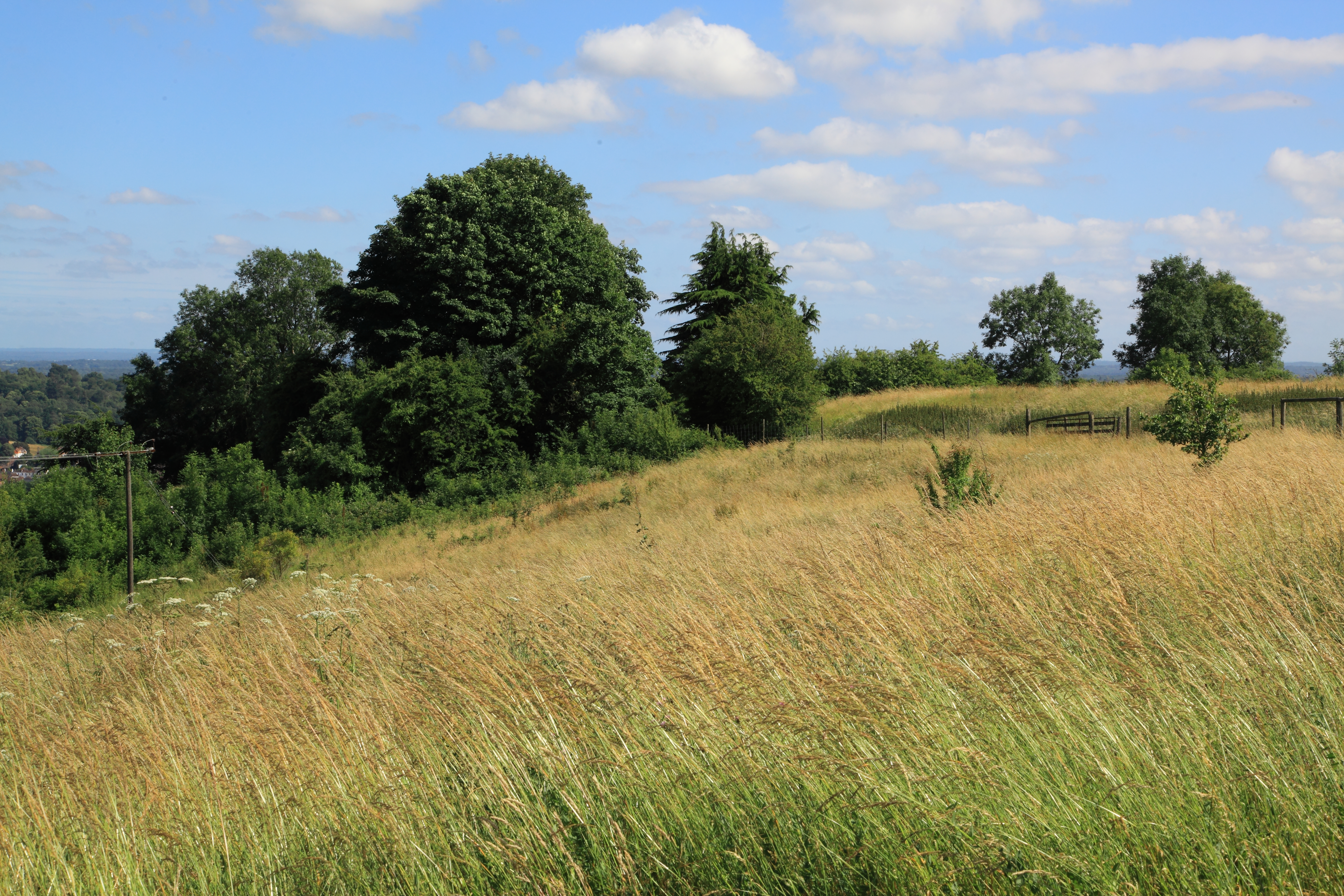
Denbies Wine Estate Dorking


Denbies is a wine estate or perhaps better termed, vineyard in Dorking, surrey established in 1986.The vineyards of Denbies Estate are situated on the North Downs with its famous chalky soil, in a protected valley of south facing slopes. In size it is the largest in the UK with 627 acres of land of which 265 acres have been planted representing more than 10 per cent of the plantings in the whole of the United Kingdom. This makes it three times the size of any other in the UK and the largest independent vineyard in Europe. Around 65% of the wine is sold at the visitor centre. From a good harvest around 400,000 bottles can be produced of different types from the 18 varieties of grape grown. The main grapes grown include : seyval blanc, reichensteiner, Muller-Thurgau, Bacchus, Ortega, Chardonnay, Pinot noir and Dornfelder.

Denbies run tours of the vineyards using a small “train” that takes around 50 people each trip for 50 minutes. Trips cost £6 for adults and £4 for children and there is also the option to have a glass of the sparkling wine for an extra £4.50.

There used to be a house on the property that was requestioned by the Canadian military in world war 2. When they left they took their tanks with them except three were non-functioning and were pushed down a hill and buried. To date only one has been excavated and the other two remain buried in the fields and are marked there by two tall trees. There is a possibility that further excavations of at least one tank may be considered in the next year or two.In September 1940 the Canadian West Nova Scotia Regiment was camped at Upper Common, Netley Heath, West Horsley, on the North Downs
where a Bf110 crashed after bing shot down (4th Sept.).

The Greenfields sparkling wine is bottled for Sainsbury’s under their label. This is a mixture of Pinot Noir and Chardonnay. The 2014 crop was bottled in May 2015 and will get laid down for 2-4 years aging.

In 2013 there were 470 vineyards in UK and the commonest types of grape grown were

  1. Chardonnay 21%
  2. Pinot Noir 19%
  3. Bacchus 9%
Denbies wine Estate Copyright Chris Bushe

Denbies wine Estate
Copyright Chris Bushe

Denbies wine Estate Copyright Chris Bushe

Denbies wine Estate
Copyright Chris Bushe

Denbies wine Estate Copyright Chris Bushe

Denbies wine Estate
Copyright Chris Bushe

Denbies wine Estate Copyright Chris Bushe

Denbies wine Estate
Copyright Chris Bushe

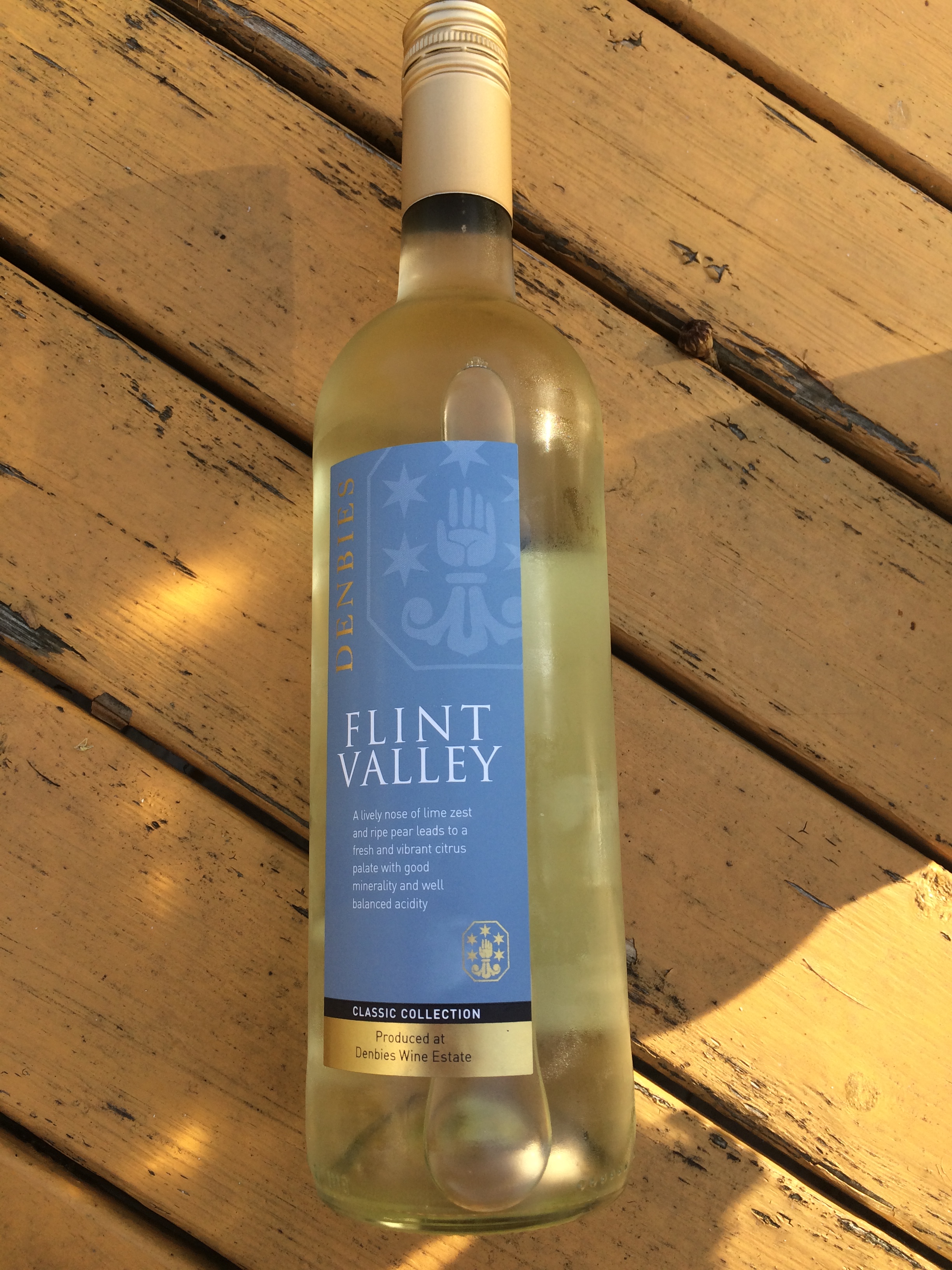
Flint Valley English WineDenbies wine Estate Copyright Chris Bushe

Flint Valley English WineDenbies wine Estate
Copyright Chris Bushe

IMG_9225

Greenfields Sparkling Wine. Denbies wine Estate Copyright Chris Bushe

The Lilac Platypus


Lilacs in New Malden. Copyright Chris Bushe

Lilacs in New Malden. Copyright Chris Bushe

Lilacs in New Malden. Copyright Chris Bushe

Lilacs in New Malden. Copyright Chris Bushe

Lilacs in New Malden. Copyright Chris Bushe

Lilacs in New Malden. Copyright Chris Bushe

Post Navigation